How I Plan a City Break
My practical method for planning a city break: choosing anchors, building a walkable route, booking the right things early and leaving space for real travel.
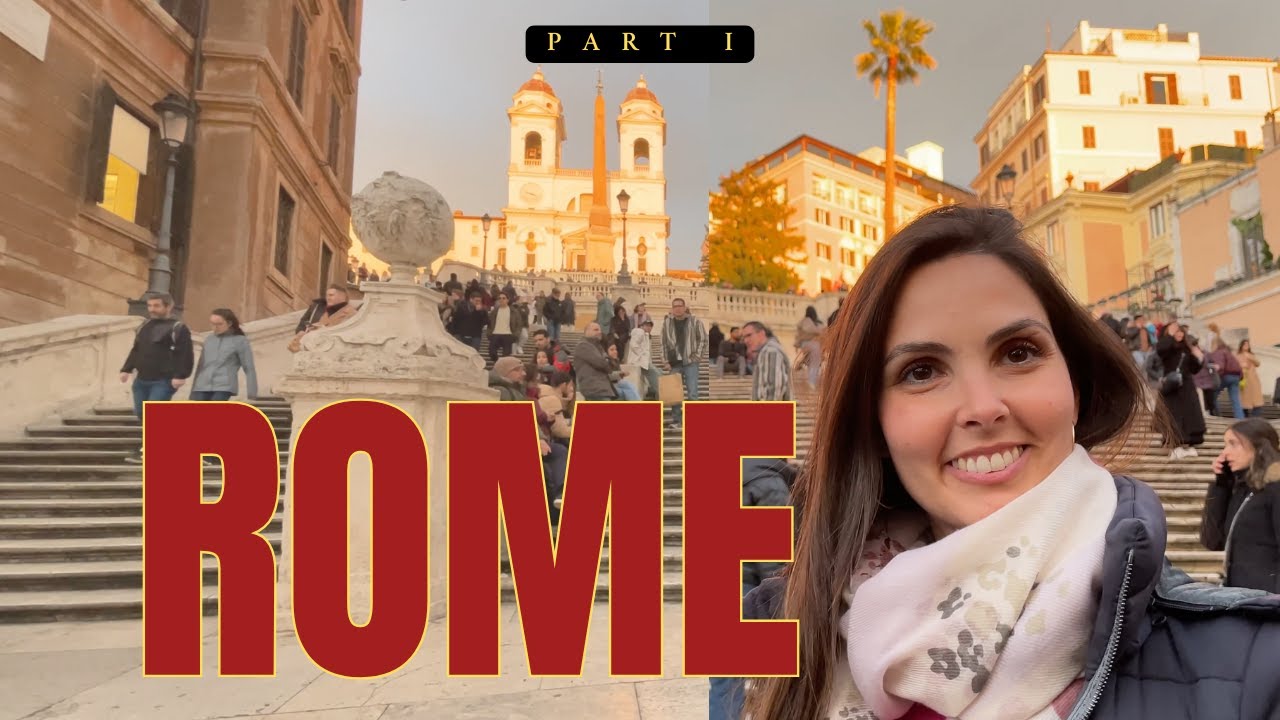
I do not plan a city break by collecting every famous place and trying to force them into the same day. That is how a trip becomes a checklist with sore feet. I prefer to build a route that has a clear mood, a few strong anchors, and enough space for the city to surprise me.
This is the method behind most of my travel articles. It is practical, but not rigid. I want the day to work on a map, yes, but I also want it to feel like a real memory afterwards: a square where I slowed down, a street that looked better than expected, a museum that deserved more time, a meal that made the day feel local.
Start with one sentence
Before I look at tickets or opening hours, I try to describe the trip in one sentence. Not a slogan, just a direction.
Rome was a long walking day through squares, churches, viewpoints and museums, not only the obvious Colosseum image. Florence was art, museums and Tuscan food, but with enough pacing to avoid cultural exhaustion. Palma was a 2022 summer holiday where the beach mattered, but the city gave the trip more shape.
That first sentence helps me say no. If the day is about art and food, I do not need three distant viewpoints. If the weekend is about sea and island atmosphere, I should not turn it into a museum race. If the city has heavy history, I need time to process it, not just photograph it.
Choose anchors, not a pile of stops
An anchor is the place the day is built around. For a first trip, I usually choose one or two major anchors, then add smaller stops around them.
In Florence, the anchors are places like Palazzo Vecchio, Palazzo Pitti, the Uffizi and the Duomo area. That is already a lot, so food stops and walks matter because they give the day oxygen. In Venice, San Marco is the obvious anchor, but Basilica dei Frari gives the route a more thoughtful second layer. In Verona, the Arena and Juliet’s House open the door, but Castelvecchio, churches and Ponte Pietra make the city richer.
The mistake is treating every stop as equal. A famous museum, a quick square, a bridge, a church and a lunch break do not need the same amount of energy. If I pretend they do, I plan badly.
My route-planning table
This is the simple version of the planning logic I use before a trip.
| Planning question | What I decide | Why it matters |
|---|---|---|
| What is the main mood? | Art, food, sea, history, shopping, nightlife, slow weekend | It stops the trip becoming a generic list. |
| What are the anchors? | 1 or 2 places that deserve real time | Anchors decide the shape of the day. |
| What must be booked? | Major museums, palaces, popular monuments, transport if needed | Sold-out tickets can ruin the best route. |
| What can stay flexible? | Squares, walks, cafes, viewpoints, casual food | Flexibility keeps the day human. |
| What is the worst distance? | The longest walk or transfer | One bad crossing can break the rhythm. |
| Where do I pause? | Lunch, coffee, shade, hotel reset, seaside break | Pauses are part of the plan, not a failure. |
I like this table because it forces me to be honest. If the longest transfer is ugly, too hot, or too far, I change the plan before the trip instead of being annoyed on the day.
Build the walk on a map
Once I have anchors, I put everything on a map and look at the order. I do not trust a list until I see it geographically. A city can look small in a travel guide and still feel tiring when the route crosses itself three times.
For Rome, the order matters because the day is long. Starting around Piazza di Spagna and moving through central Rome makes more sense than jumping randomly between landmarks. In Athens, the Acropolis and museum are natural anchors, and the rest of the day has to respect heat, hills and the fact that ancient sites take attention.
The map also shows when a plan is secretly two plans. If the morning and afternoon are far apart, I ask whether the transfer is worth it. Sometimes it is. Sometimes the better trip is smaller.
Book the right things early
I do not book every minute, but I do book the things that can block the day: popular museums, palaces, major monuments, transport to islands, and restaurants when the food stop is important.
For Florence, I would not treat the Uffizi or Pitti as casual walk-ins in a busy period. For Seville, the Alcazar is the kind of place I would rather book than hope. For Athens, anything around the Acropolis deserves timing and attention. For Rome, the Vatican Museums alone can take a lot of energy, so I would not place them in the middle of an already impossible walking day without thinking.
The rule is simple: book what would genuinely disappoint you if it sold out. Leave the rest flexible.
Leave space for the city
This is the part that makes a trip feel personal. The unplanned space is where you notice the city instead of only consuming it.
In Trieste, a cafe break is not just a break; it fits the city’s identity. In Budapest, crossing between Buda and Pest is part of understanding the place, not just transport. In Valencia, the contrast between the historic centre and the City of Arts and Sciences works better if you have time to feel the change instead of sprinting through it.
I also leave space because filming or taking photos changes the pace. If I want to capture a place properly, I need more time than someone who is only walking through it. A route that looks easy on paper can feel rushed once you stop, frame, wait for people to move, and actually enjoy the moment.
Think about the season
Season changes the entire plan. A route that is easy in spring can feel punishing in August. A place that feels quiet in the morning can be packed by midday. A beach day can be perfect or pointless depending on wind, transport and crowds.
For hot cities, I prefer early starts, shade in the middle of the day, and lighter afternoons. For museum-heavy cities, I avoid stacking too many indoor cultural stops without breaks. For islands, I check transport before I fall in love with an itinerary that is impossible without a car or boat timing.
In Crete, distances matter more than people expect. Knossos, Heraklion, Hersonissos, Rethymno and Agios Nikolaos do not all behave like neighbourhoods of one small island town. In Malta, Valletta, Gozo, Comino and the Blue Lagoon each need their own rhythm. In Palma de Mallorca, a week gives beach and city time to coexist instead of competing.
My favourite kind of first day
For a first day in a city, I like a route that starts with something recognisable, then moves into something a little more specific. That makes the city feel familiar and personal at the same time.
In Venice, San Marco gives the famous first image, while Frari adds depth. In Verona, Juliet’s House gives the postcard, while Ponte Pietra and the river give atmosphere. In Rome, the famous squares are familiar, but the Malta keyhole and smaller church stops make the day feel less generic.
This is also why I do not mind skipping some famous places on a first route. If a stop does not fit the day, I would rather leave it for another trip than force it badly.
What I try not to do anymore
The first mistake is planning every day like it has unlimited energy. Travel energy is real. Walking, heat, crowds, filming, finding food, and navigating in another language all use attention.
The second mistake is choosing places only because they are famous. A famous place can be wonderful, but it still needs to fit the route. If it creates a two-hour detour and breaks the whole day, maybe it belongs in a different trip.
The third mistake is forgetting food until everyone is already tired. Food is not just fuel in a city break. It is part of the place. In Florence, a sandwich and bistecca alla fiorentina change the rhythm of an art-heavy day. In Valencia, paella is not an afterthought; it belongs to the identity of the trip.
The fourth mistake is refusing to stop. Sometimes the best travel decision is not adding another church, bridge or square. Sometimes it is sitting down and letting the city exist around you.
I also try to protect the day after a very intense itinerary. If the first day is museums, long walks and filming, the next morning should not start with another impossible list. A slower breakfast, a neighbourhood walk or one beautiful viewpoint can make the whole trip feel better.
How I use my own articles
If I were using this site to plan, I would not read every travel post the same way.
For intense history days, I would compare Athens in one day with Rome. Both need pacing, comfortable shoes and a realistic sense of energy.
For Italian art and atmosphere, I would read Florence, Venice and Verona together. They all show that Italian cities are not only landmarks; churches, food, rivers and walking time matter too.
For sea and island planning, I would group Crete, Malta and Palma. Those trips need more attention to transport, season and the balance between beach and culture.
For cities with strong contrasts, I would read Budapest, Trieste, Seville and Valencia. They are good reminders that a city break can be architecture, food, history, water, neighbourhoods and mood all at once.
The final check before I go
Before a trip, I ask myself five questions:
- Do I know the one or two places I care about most?
- Have I booked the things that would ruin the day if sold out?
- Is the route walkable without crossing the city pointlessly?
- Have I left time for food, heat, photos and small surprises?
- If I had to remove one stop, would the day become better?
That last question is my favourite. A good city break is not the longest possible list. It is the version of the trip that still feels alive when you are actually there.
Related articles
- Florence Museums: A Practical Art Guide and What I Loved Most
- Rome on Foot: My Real Route, What to Book and What to Skip
- Venice: San Marco, Frari & Floating Magic
- Crete Vacation: Knossos, Sea & Island Life
- Athens in One Day: The Order That Makes It Work
- Budapest Thermal Baths: Which One, and How to Use Them
Written by

Sara
Licensed Pharmacist · Travel Creator
Sara brings a pharmacist's eye to health topics and a personal voice to travel, beauty and everyday lifestyle.
About Sara