Seville: The Alcázar, the Giralda Ramps, and Where to See Real Flamenco
A Seville guide with the specifics - which Alcázar rooms to find, the ramps and steps up the Giralda, the difference between a tablao and a peña, and how to plan around the heat.
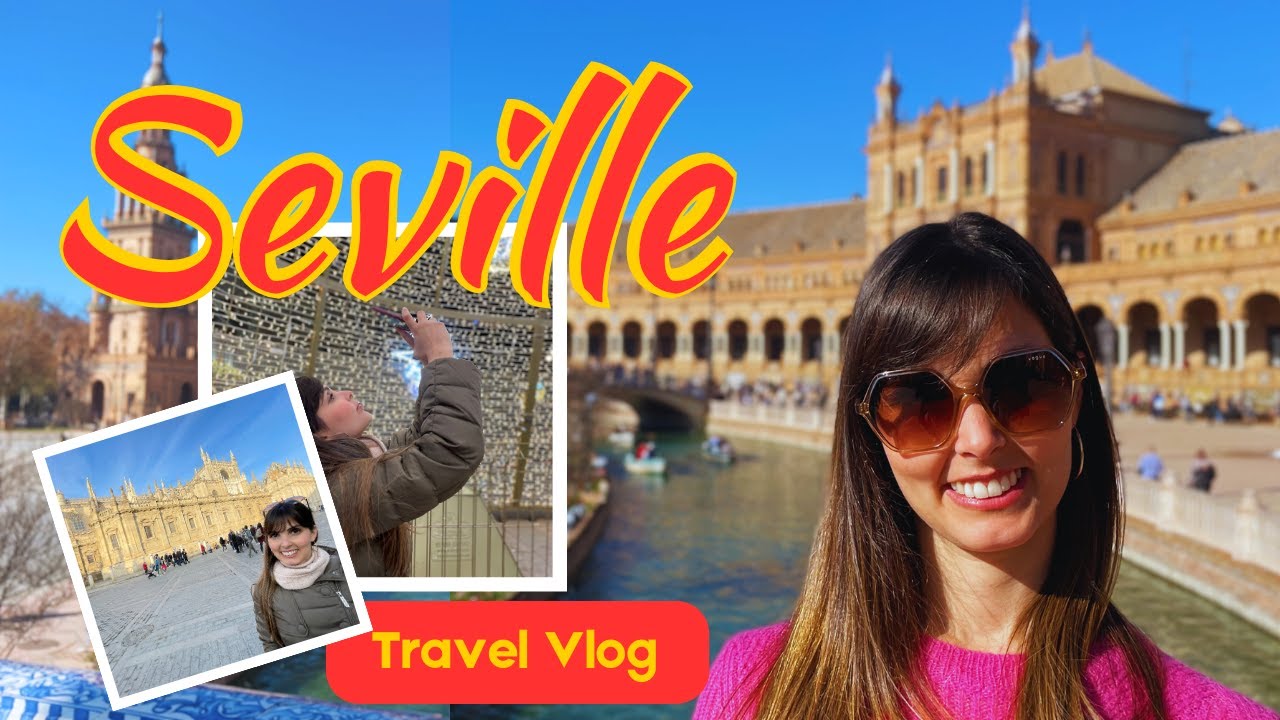
Seville is a city where the two headline sights are literally across a square from each other, which makes the planning simple and the timing everything. Get the Alcázar right and the rest of the trip arranges itself around it.
The Real Alcázar: book it, and know what to look for
This is the one thing to book before anything else. Slots sell out days ahead in spring and autumn — buy on the official site and take the earliest one of the day. There are also free-admission slots for EU citizens on certain days; they are listed on the same site and they go instantly.
It is the oldest royal palace still in use in Europe, and it is not one building but layers: an Almohad fortress, a 14th-century Mudéjar palace built for the Christian king Pedro I by Muslim craftsmen from Granada and Toledo, and Renaissance additions on top. Which is why the Arabic inscriptions praising Allah sit on the walls of a Castilian king’s palace — the most interesting thing in the place, and easy to walk straight past.
Four things to actually find:
- Patio de las Doncellas — the central Mudéjar courtyard, with the sunken garden restored beneath the paving.
- Salón de Embajadores — the domed throne room, gilded, and the best single room in the building.
- Baños de Doña María de Padilla — vaulted rainwater baths underneath the palace, cool and almost empty because most visitors do not know they are there.
- The gardens — larger than people expect, with the Galería del Grutesco running along the old wall. Allow an hour just for these.
The Cuarto Real Alto, the upper apartments still used by the Spanish royal family, is a separate ticket with its own timed entry. Worth it if you want the version with fewer people in it.
If it looks familiar: the gardens and the Baños were Dorne in Game of Thrones.
The Cathedral and the Giralda
Directly opposite. The largest Gothic cathedral in the world by interior volume, built on the footprint of the mosque it replaced, with the tomb of Christopher Columbus carried by four heralds inside.
The Giralda began as the minaret of the 12th-century Almohad mosque, with a Renaissance belfry added later. Its climb is mostly ramps, but it is not step-free: the Cathedral’s official visitor guidance specifies 34 ramps and 17 steps. This is a substantial ascent, so check the access guidance before including it if stairs or sustained walking are difficult for you.
The ticket is usually combined with the church of El Salvador a few streets away, so you may as well use it.
Flamenco: what you are actually buying
Seville is one of the homes of flamenco, and it is also a city that sells a great deal of flamenco to visitors. The three things are not the same:
- A tablao is a professional show in a venue built for it, with a fixed start time and a ticket. This is what you should book, and the good ones are small. Casa de la Memoria and La Casa del Flamenco are intimate rooms with no microphones and no dinner service; the Museo del Baile Flamenco, founded by the dancer Cristina Hoyos, runs shows and explains the forms first, which is useful if it is your first time.
- A peña is a members’ club where aficionados go. Some admit visitors for scheduled nights. This is the purist version and it is not a show.
- A bar advertising “free flamenco” with a photograph of a red dress outside is neither.
Book the tablao in advance and choose the shortest, smallest room you can find. A good hour of flamenco is worth more than a two-hour dinner show.
Triana, across the river, is where much of the tradition came from — a working ceramic and sailor’s quarter, with the Mercado de Triana in the old castle foundations and tile workshops still in the streets behind it. Go over in the evening; it is a different city from the centre and a ten-minute walk.
The rest, in order of how much I would prioritise it
Plaza de España — built for the 1929 Ibero-American Exposition, a vast tiled half-circle with a canal you can row on and 48 alcoves, one for each Spanish province, each with a painted tile map and scene. Find your region’s bench; it is the thing everyone does and it is genuinely lovely. Go at the end of the day when the brick goes orange. It sits inside María Luisa Park, which is the only shade in Seville worth the name.
Barrio Santa Cruz — the old Jewish quarter, a knot of white lanes and courtyards behind the cathedral. Beautiful, and by 11am full. Walk it early.
Las Setas (Metropol Parasol) — an enormous undulating wooden structure over a square in the modern centre, with a walkway across the top and, in the basement, the Antiquarium: Roman remains found while digging the foundations. Sunset from the walkway.
Casa de Pilatos — a 16th-century noble palace mixing Mudéjar and Italian Renaissance, with a courtyard of Roman statues. It is as beautiful as the Alcázar in places and has a fraction of the visitors.
The heat is a planning constraint, not a footnote
Seville is one of the hottest cities in Europe. July and August regularly pass 40°C, and in 2022 the city ran a pilot programme to categorise and name heatwaves — the first in the world to do so — which tells you how seriously it is taken locally.
What that means practically: April, May, October and November are the right months. In summer, the city runs on the Spanish schedule for a reason — outside before noon, indoors and still between 2pm and 6pm, out again after 8pm when the streets refill. Fighting that pattern does not work.
Two weeks to know about: Semana Santa (Holy Week) and the Feria de Abril two weeks later transform the city completely — processions and a fairground of private tents. They are extraordinary, accommodation triples in price, and the ordinary version of Seville is unavailable. Choose deliberately.
Practical
Everything above except Triana and Las Setas is within a fifteen-minute walk of the cathedral, so a hotel in or near Santa Cruz or El Arenal removes transport from the trip entirely. Two full days is enough for the Alcázar, the cathedral, a tablao and Triana without rushing; three lets you add Casa de Pilatos and an evening in Plaza de España that is not squeezed.
Related articles
Written by

Sara
Licensed Pharmacist · Travel Creator
Sara brings a pharmacist's eye to health topics and a personal voice to travel, beauty and everyday lifestyle.
About Sara