Rome on Foot: My Real Route, What to Book and What to Skip
A practical Rome walking guide with my real route, Vatican planning, Capitoline and Aventine stops, crowd strategy, original photos and what I would actually repeat.
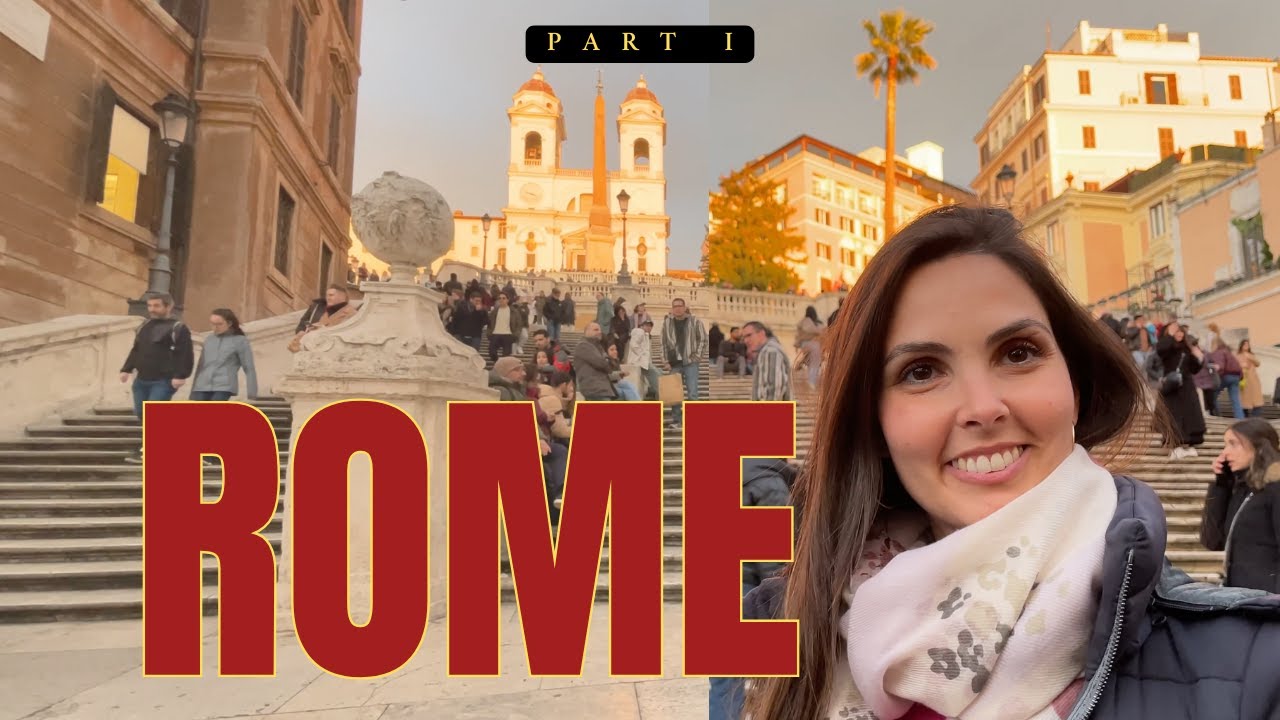
Rome is easy to underestimate on a map. The historic centre looks compact, most of the famous places seem walkable from one another, and then a day disappears into queues, detours and tired feet.
What worked best for me was not trying to turn Rome into one giant checklist. I used a few fixed anchors, then let the walking connect them. The stretch I remember most started around Piazza Navona, where our hotel was, continued to the Pantheon and Trevi Fountain, and later became a completely different evening walk towards Campo de’ Fiori and Trastevere.
That personal route sits inside a much bigger practical lesson: Rome works best in clusters. Book the places that can ruin the day if you miss a slot, group the rest geographically, and leave enough margin for the city itself.
What I would book before arriving
| Stop | Booking | What matters |
|---|---|---|
| Vatican Museums / Sistine Chapel | Book ahead | The route is long and the official ticket portal is the safest place to buy. |
| St Peter’s Basilica | Basilica entry is free | Security can take time. The dome is a separate paid visit. |
| Pantheon | Ticketed | Easy to combine with Piazza Navona on foot. |
| Colosseum / Roman Forum | Book ahead if you want them | Treat them as their own half-day rather than squeezing them into the centre walk. |
| Capitoline Museums | Usually easier than the Vatican | A strong choice if ancient Rome matters to you. |
| Malta keyhole / Giardino degli Aranci | No ticket | The surprise for me was the queue, not the cost. |
The Vatican Museums currently open Monday to Saturday and also on the last Sunday of most months; the official site explicitly warns that its own ticket portal is the only official online sales channel. I would check the current Vatican Museums visitor information immediately before travelling rather than trusting an old timetable.
The centre walk I would repeat: Piazza Navona → Pantheon → Trevi
If I had to repeat one piece of the trip exactly, it would be this.
Starting around Piazza Navona made the centre feel immediately manageable. The Pantheon is close enough that it does not need to become a separate expedition, but the moment you reach the square and see the building filling it, the scale changes completely.
My note after the trip was simple: the Pantheon left me without words.
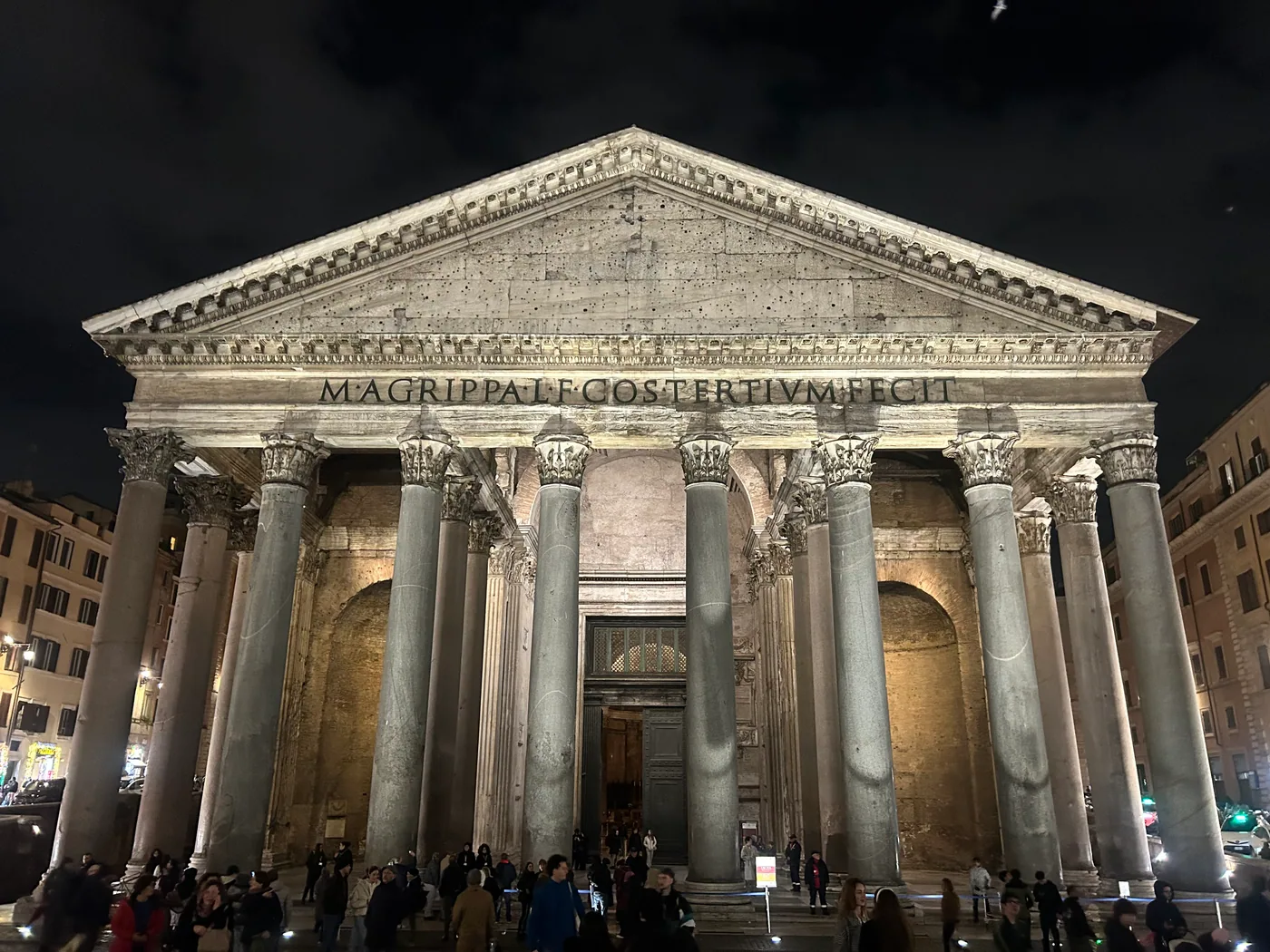
From there, keep walking. The smaller streets between the Pantheon and Trevi Fountain are not dead time: they are part of why Trevi works so well, because the fountain appears almost suddenly after a sequence of tighter streets.
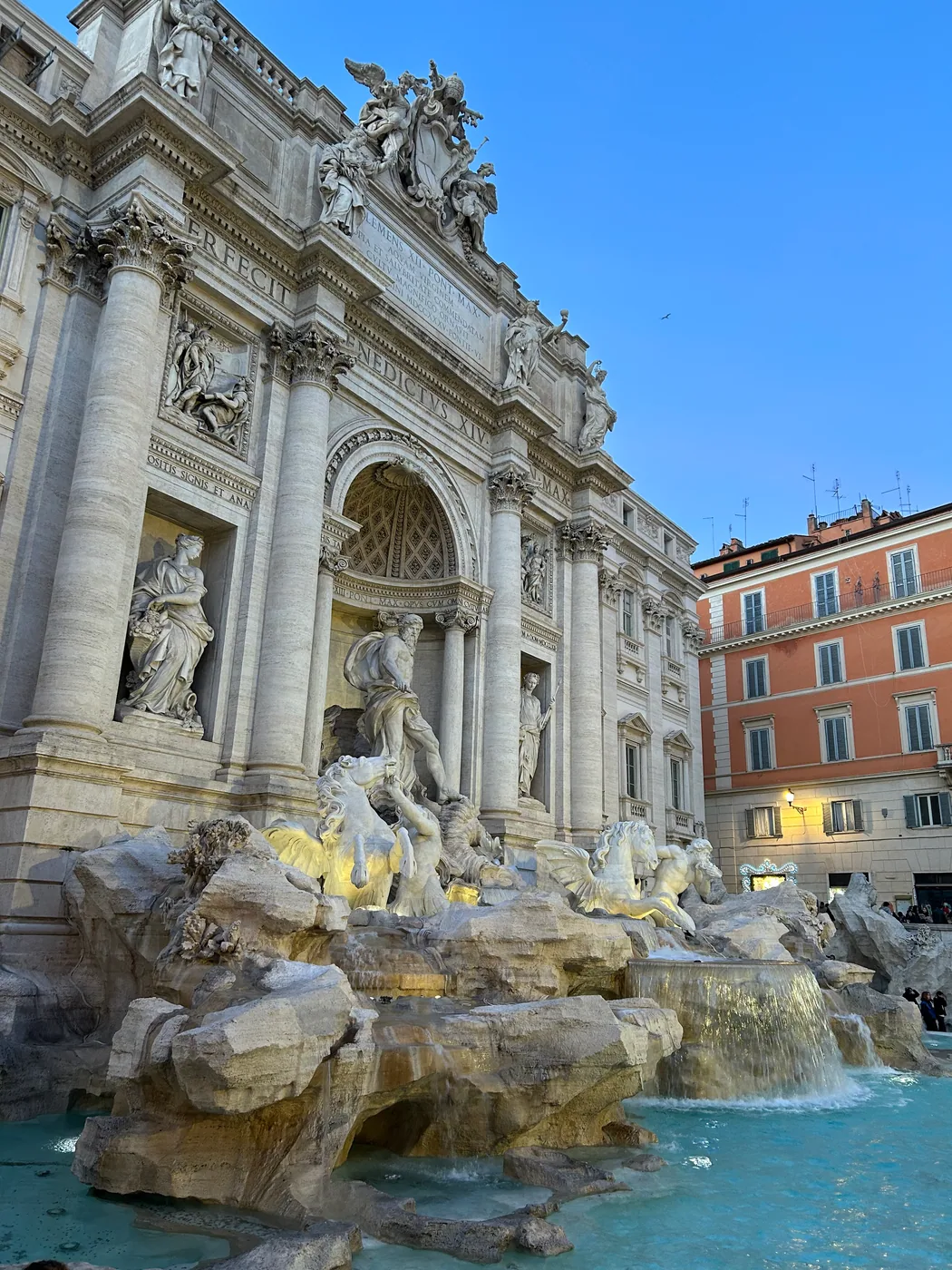
Trevi was busy. Very busy. If you want anything close to a quiet view, go early. Otherwise accept the crowd and stay long enough to actually look at the sculpture instead of fighting for a thirty-second photo and leaving.
Piazza di Spagna, Via Condotti and Piazza del Popolo
The Spanish Steps fit naturally into the central route, but I would not make them the emotional centre of the day.
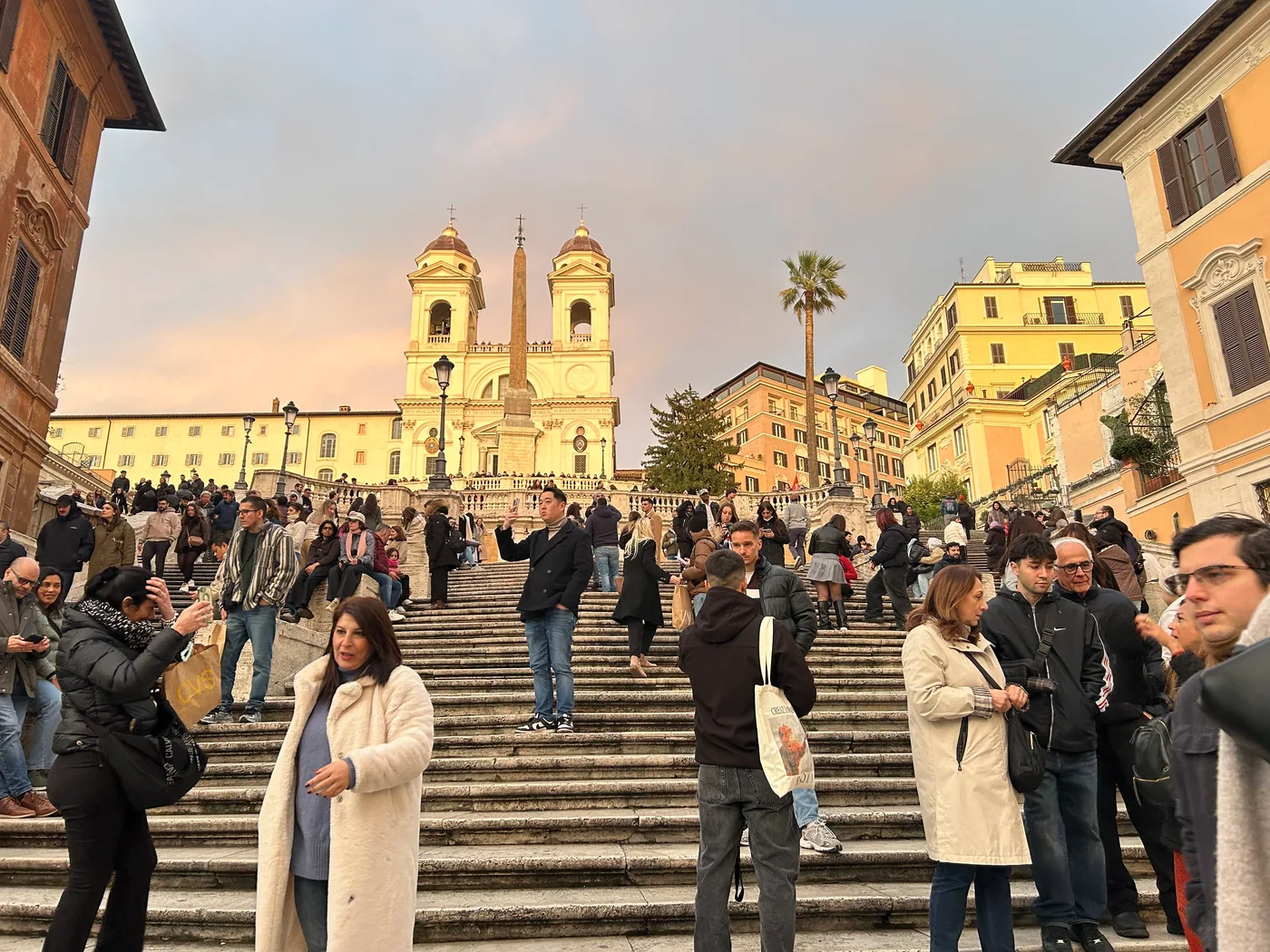
If you still have energy, this is where the older version of my route remains useful: continue through Via Condotti, then towards Piazza del Popolo and the Pincio terrace. That extension gives you a different perspective on the centre and can work particularly well near sunset.
The point is not that everyone must walk the same direction. It is that these places belong to the same cluster; crossing Rome twice to see them makes no sense.
Do not skip the Capitoline if ancient Rome matters to you
The Capitoline Museums are one of the stops I would keep from a more history-heavy itinerary.
The collection includes the original bronze equestrian statue of Marcus Aurelius, the Capitoline Wolf and enormous fragments of ancient sculpture. The museum route also reaches the Tabularium, where openings over the Roman Forum give you one of the most useful elevated views for understanding how the ruins fit together.
This is a better use of limited time than adding another famous square just because it appears on every checklist.
And while walking through central Rome, ancient material keeps appearing even when you are not inside a museum.
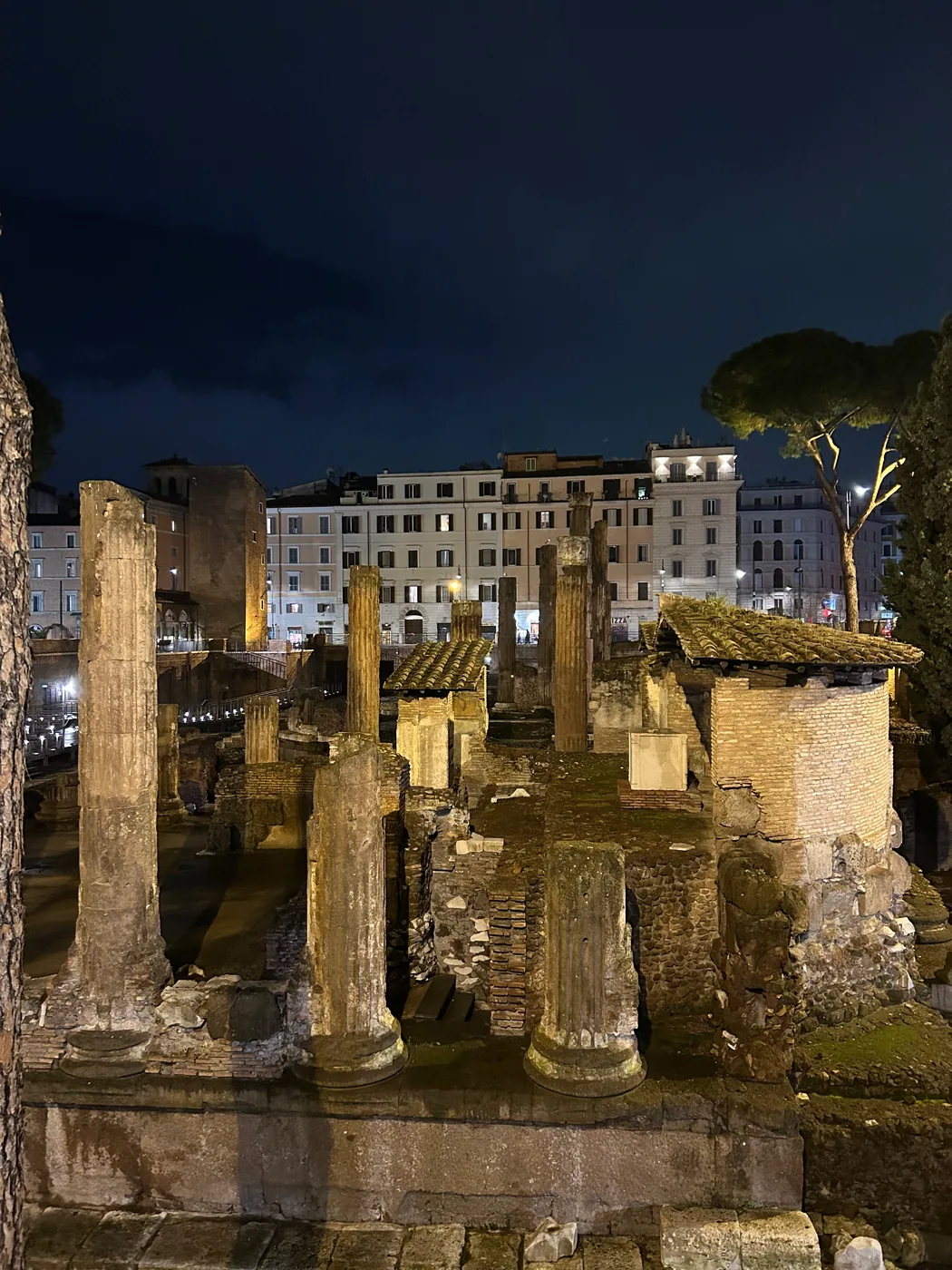
Aventine Hill and the Malta keyhole
The Malta keyhole was one of the places that surprised me most, but not for the reason I expected.
The view itself is brilliant: through the keyhole at the Priory of the Knights of Malta, a hedged avenue frames the dome of St Peter’s in the distance. The square was redesigned by Piranesi in the 18th century, and the alignment feels almost theatrical.
What I did not expect was the queue.
It was much longer than I imagined for something that used to be treated as a semi-secret Rome detail. I would still go, but I would no longer plan it as a two-minute curiosity.
Combine it with the nearby Giardino degli Aranci and Santa Sabina. That turns the climb to the Aventine into a coherent final part of the day rather than a cross-city detour just to look through a door.
The evening walk I would repeat: Piazza Navona → Campo de’ Fiori → Trastevere
One of my favourite memories was not ticketed at all.
From the other side of Piazza Navona, we walked towards Campo de’ Fiori and then continued into Trastevere. At night the route feels different from the daytime centre: warmer, less monumental and more about streets, lights, food and people being outside.
If the daytime has been full of museums and churches, this is exactly the kind of evening I would leave unscheduled.
It also explains how I normally build trips: reserve the places that need structure, then leave a deliberate gap for the city to change the plan. I describe that process in how I plan a city break.
Give the Vatican its own block of time
The Vatican is not something I would bolt onto the end of a long walking day.
The Vatican Museums route is extensive. The galleries, maps and tapestries eventually lead through the Raphael Rooms and on to the Sistine Chapel. Those last parts were among the highlights of my visit, and they are much easier to appreciate if you have not already walked ten kilometres before entering.
The official Vatican Museums site currently lists opening hours of 8:00–20:00 Monday to Saturday, with the last Sunday of most months offering shorter free-entry hours. Those details can change around holidays, so check the official schedule before you go.
After the museums, St Peter’s Basilica deserves time of its own. Michelangelo’s Pietà is just inside on the right, and Bernini’s bronze baldachin over the papal altar is one of the details that made me stop rather than simply walk through the huge interior.
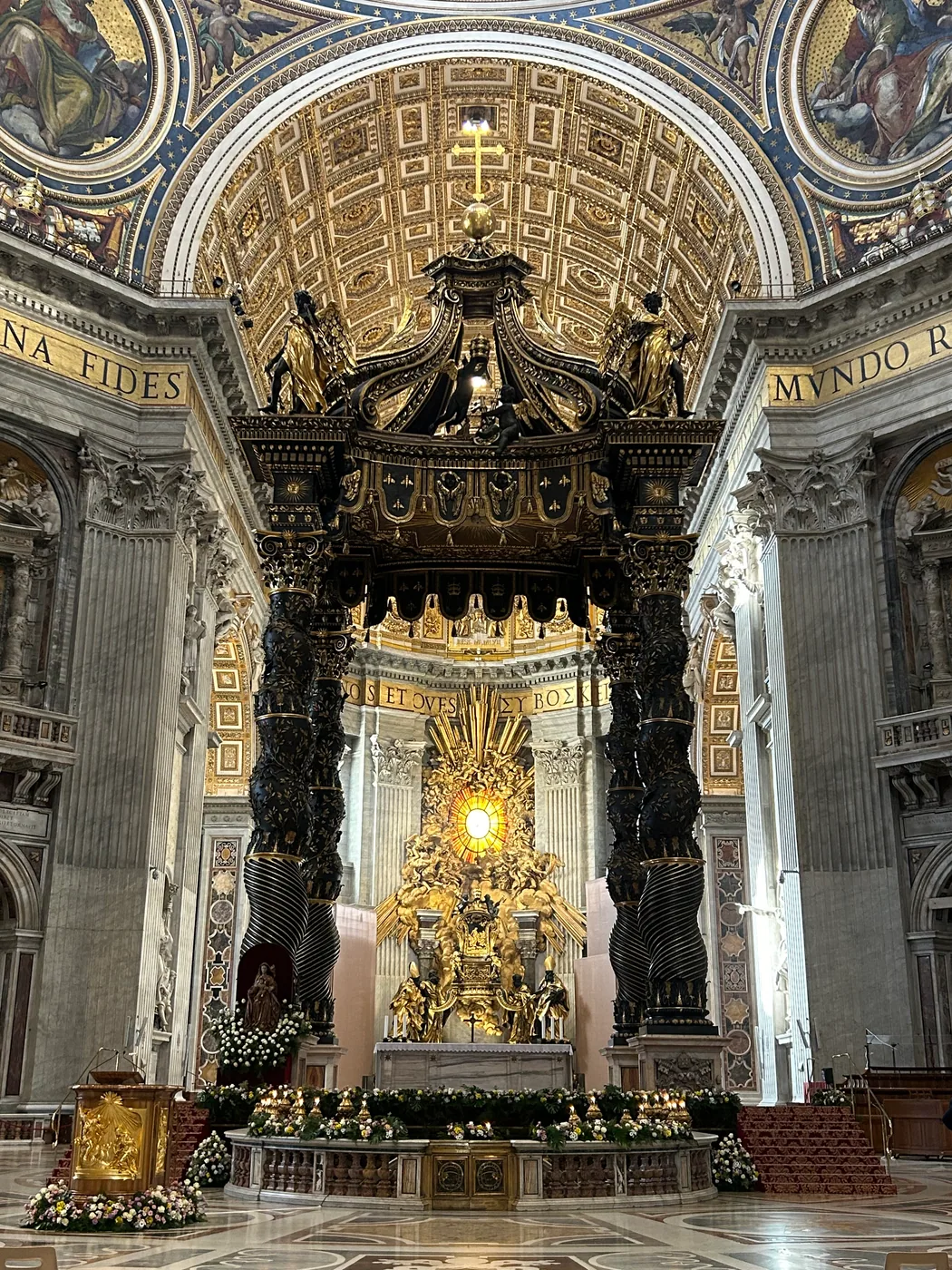
My visit was also tied to a specific moment: the 2025 Jubilee. Entering St Peter’s through the Holy Door became part of the memory. That belongs to that trip rather than to a timeless recommendation; current visitors should not expect exactly the same experience.
If you want the dome, treat it as another physical activity. The climb narrows as it rises and is not a casual add-on for anyone uncomfortable with confined spaces.
Free churches that are worth real time
Rome’s churches are not consolation prizes between ticketed monuments.
Santa Maria Maggiore is particularly useful if you have an extra afternoon because its early Christian mosaics give you a completely different layer of the city. Santa Sabina pairs naturally with the Aventine. And churches such as San Luigi dei Francesi can put major works of art in front of you without turning the visit into another large museum.
The practical point is simple: do not spend the whole trip assuming the most expensive interiors are automatically the best ones.
What actually disappointed me?
Honestly, nothing.
When I answered the question after the trip, the problem was not that the famous places failed to live up to expectations. It was that almost everything was crowded.
That distinction matters.
Trevi was crowded. Piazza di Spagna was crowded. The Malta keyhole was unexpectedly crowded. The Vatican can be crowded. None of those places became a regret.
So the useful question is not “how do I avoid every crowd?” You probably cannot. It is “how do I stop the crowds from consuming the whole day?”
If the day is running short, what would I cut?
A practical hierarchy helps.
If you have already seen a lot of the centre, Via Condotti and the Spanish Steps are easier to sacrifice than the Capitoline or the Aventine. Circus Maximus makes more sense when it fits naturally between ancient Rome and the Aventine; on its own, it is not where I would spend my final hour.
What I would protect:
- the Pantheon / Piazza Navona cluster;
- enough time to actually see Trevi rather than only pass it;
- the Capitoline if you care about ancient Rome;
- the Aventine if you want a quieter change of pace;
- the Vatican as its own visit rather than an exhausted afterthought;
- an evening walk into Trastevere.
A realistic first-visit structure
Day 1 — historic centre on foot
Piazza Navona → Pantheon → Trevi Fountain → Piazza di Spagna, with Via Condotti / Piazza del Popolo as an optional extension.
Evening
Piazza Navona → Campo de’ Fiori → Trastevere.
Day 2 — Vatican
Vatican Museums → Raphael Rooms → Sistine Chapel → St Peter’s Basilica.
Optional half-day
Capitoline Museums / ancient Rome → Circus Maximus → Aventine → Giardino degli Aranci → Malta keyhole.
If the Colosseum and Forum are priorities, give them another dedicated block instead of pretending they are a quick stop between Trevi and dinner.
Practical things I would keep in mind
Rome is walkable in clusters, not infinitely walkable. Comfortable shoes matter more than a clever transport hack.
Carry a bottle: the public nasoni fountains are useful for refilling water while you walk.
Dress codes in churches are real, particularly at St Peter’s, so plan for shoulders and knees to be covered.
In the hottest months, outdoor walking works better early and late; museums and long indoor visits make more sense in the middle of the day.
And if you are combining Italian cities, compare this with my Florence guide. Rome worked for me because of the walking and layers of history; Florence worked because major art, palace interiors, food and evening streets could be mixed without turning the whole trip into one endless museum corridor.
Related articles
Written by

Sara
Licensed Pharmacist · Travel Creator
Sara brings a pharmacist's eye to health topics and a personal voice to travel, beauty and everyday lifestyle.
About Sara