Palma de Mallorca: Which Beach, and Why the City Is Worth Half the Week
A Palma de Mallorca guide that names the beaches and says how to reach them without a car, plus the Palma sights worth booking - cathedral, Miró's studios, Bellver - and how to split a week between the two.
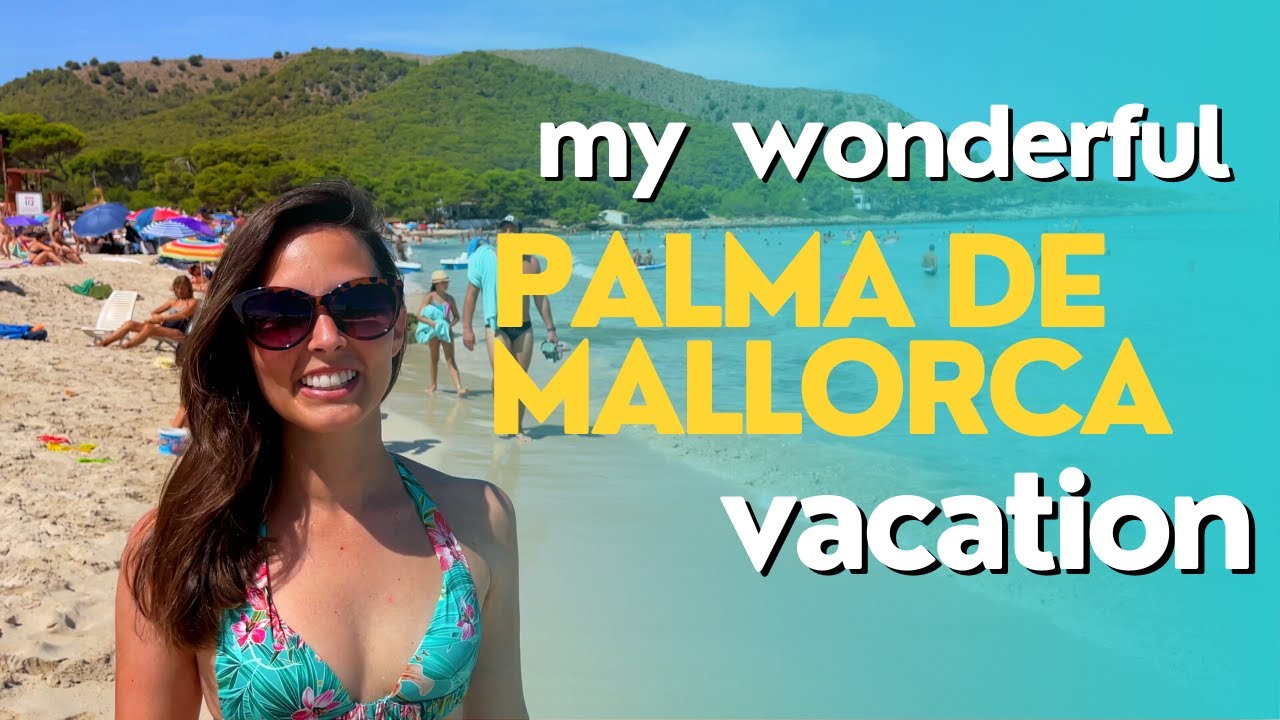
I went to Palma de Mallorca in 2022 for a summer week, and the thing I did not expect was how much the city held its own against the sea. Most Mallorca guides treat Palma as the place you land in. It is a Mediterranean capital with a Gaudí-modified cathedral, a Miró studio kept as he left it, and a circular castle on a hill.
The video records my 2022 trip. The beach comparison and suggested week below are researched planning options, rather than a list of places I visited. They focus on two decisions: which beach, and how much of Palma.
The beaches, by name and by how you get there
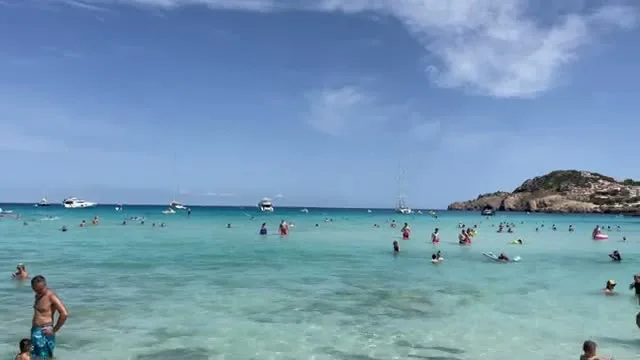
The honest starting point is that Palma is a city, not a resort — so “the beach” means choosing one, and the choice depends entirely on whether you have a car.
| Beach | Where | Getting there without a car | Character |
|---|---|---|---|
| Cala Major | ~15 min west of the centre | EMT city bus along the coast road | Small, urban, easy. The one you can do on a half day. |
| Illetes / Cala Comtesa | Calvià, west | City/island bus, ~25-30 min | Rockier, clearer, coves rather than a long strand. |
| Platja de Palma / Can Pastilla / S’Arenal | East, towards the airport | Direct EMT bus, ~20-30 min | Kilometres of sand, very busy, full facilities. |
| Portals Vells, Cala Mago | Southwest headland | Realistically car only | Pine-backed coves; the postcard version. |
| Es Trenc | ~50 km southeast | Car, or seasonal bus | Long undeveloped natural beach, no resort behind it. |
| Port de Sóller | North coast, over the mountains | The Sóller train, then the tram | The best day out on the island that needs no car. |
Two practical notes that matter more than which one you pick. First, current lines and timetables are on EMT Palma for the city and TIB for the rest of the island — check them the night before rather than at the stop. Second, in July and August the useful variable is not the beach, it is the hour: arriving before 10am changes the experience of every single one of these more than upgrading from one to another.
If you only do one thing from this list, make it the Sóller railway — a narrow-gauge wooden train from Plaça d’Espanya, through the Serra de Tramuntana, then the open-sided tram down to the port. It is a beach day and a mountain day in one, and it removes the car problem entirely.
Palma itself: the four things worth planning around
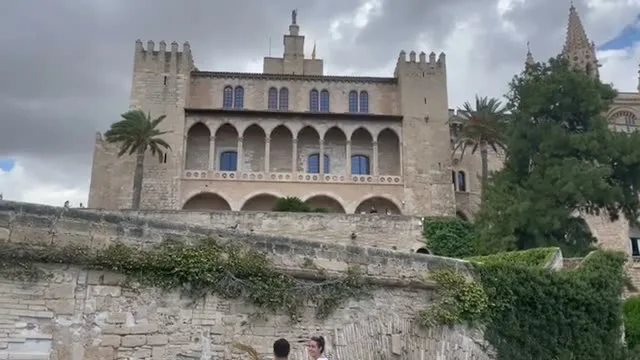
La Seu, the cathedral. Worth going in, not just photographing from the park. Antoni Gaudí worked on the interior between 1904 and 1914 — the wrought-iron baldachin over the altar is his — and in 2007 Miquel Barceló covered the Capella del Santíssim in ceramic, a sea of clay fish and loaves in a Gothic cathedral. It is one of the more startling interiors in Spain and almost nobody arrives expecting it. It is a working cathedral, so tourist visiting hours are restricted and differ on Sundays: check the official visits page before building a day around it.
Fundació Miró Mallorca, in Cala Major. Joan Miró lived and worked in Mallorca for the last decades of his life, and his studio — designed by Josep Lluís Sert — is preserved with the work in progress still in it. It sits near Cala Major beach, which makes the obvious pairing: studios in the morning, sea in the afternoon. Check opening days on the foundation’s site; like most Spanish museums it closes one day a week.
Castell de Bellver. A 14th-century castle on a wooded hill above the city, and circular — effectively unique in Spain. It is the view of the bay that guidebooks use, and it is a short taxi or a steep walk up.
The old town, on foot. Sa Llotja, the Gothic merchants’ exchange by the water; the Banys Àrabs, a small surviving fragment of Muslim Palma; Es Baluard, the contemporary art museum built into the Renaissance sea walls; and the Mercat de l’Olivar for the food-market version of the city. This is the part that does not need booking — just shoes and a morning.
How I would split a week
The mistake is treating Palma as one day of culture surrounded by six of beach. The split that works is roughly half and half, with the city days built around opening hours and the beach days built around the morning.
- Day 1 — arrive, old town on foot, nothing booked.
- Day 2 — the closest beach (Cala Major or Illetes), early.
- Day 3 — cathedral in the morning while it is open to visitors, Es Baluard or Sa Llotja after, Bellver at the end of the day for the light.
- Day 4 — the Sóller train and Port de Sóller. A full day; do not try to add anything to it.
- Day 5 — Miró studios, then the beach below them.
- Day 6 — the car day, if you want one: Es Trenc, or the southwest coves.
- Day 7 — flexible. Whatever the weather decided against.
That leaves one clear idea per day, which on an island is worth more than a dense list. And it puts all the driving in one day rather than paying for a car that sits outside a hotel for six.
When to go, and what actually needs booking
June and September are the sensible months: the sea is warm, the light is still long, and the popular places are usable at normal hours. August works, but every recommendation above needs to happen earlier in the day.
What genuinely needs planning ahead: accommodation in high summer, and the car if you want one — both get expensive and scarce late. What does not need a ticket bought in advance: the beaches. Their constraint is parking, shade and arrival time, not admission.
Pack for two trips, because that is what this is: swimwear and sunscreen for the mornings, comfortable shoes and something for a city evening. Palma slides from seaside to dinner in a way that catches people out with only flip-flops.
Why the city half matters
If Mallorca is only sand for you, it will deliver that and you will have a nice week. But the island’s identity is in the other half — a Gothic cathedral that two of the most interesting artists of the last century were let loose inside, a mountain railway older than most of the hotels, and a working market in the middle of a capital city.
What I remember most from 2022 is the balance between beach time and the city. The suggested week above is a way to plan that balance, rather than a day-by-day account of my holiday.
Related articles
Written by

Sara
Licensed Pharmacist · Travel Creator
Sara brings a pharmacist's eye to health topics and a personal voice to travel, beauty and everyday lifestyle.
About Sara