Verona: Romance & Roman Wonders
My Verona travel guide through Piazza Bra, Piazza Erbe, the Arena, Juliet's House, Castelvecchio Museum, the Adige river, historic churches, the Cathedral complex and Ponte Pietra.
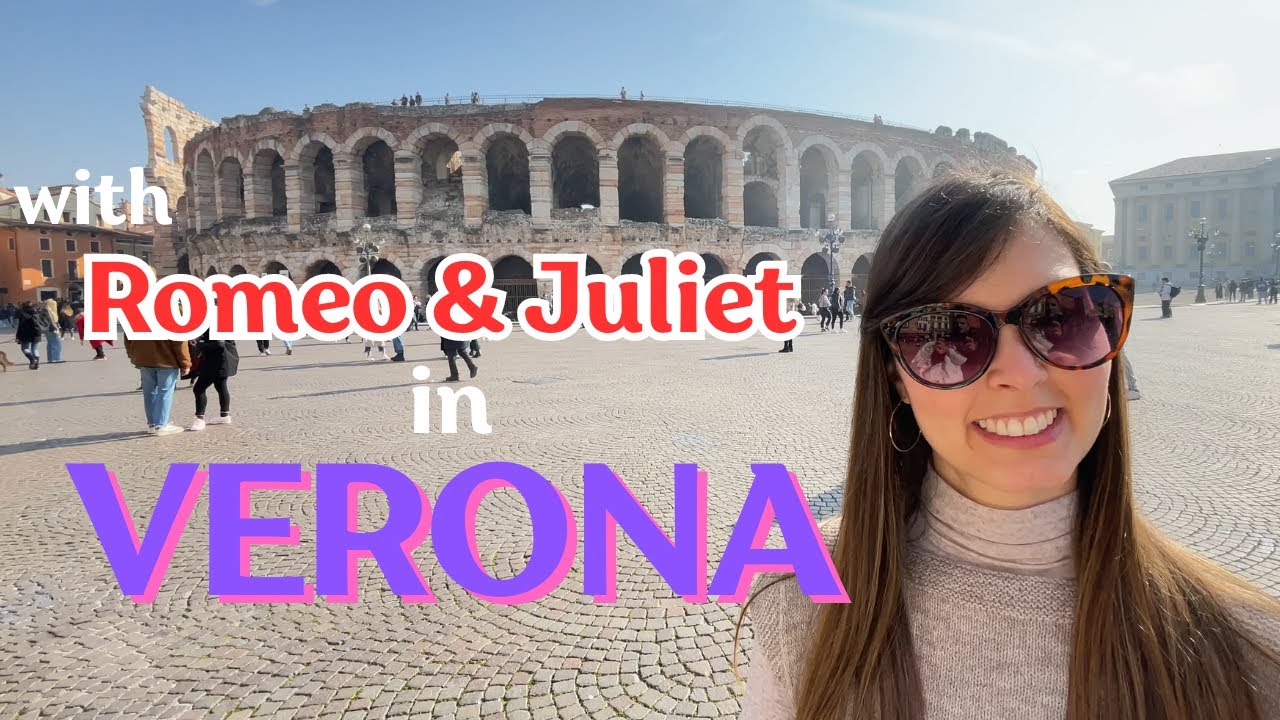
Verona is usually introduced through Romeo and Juliet, but I do not think the city should stop there. The romantic story is part of its image, of course, but the real itinerary is richer: Roman history, medieval architecture, river views, churches and some very walkable streets.
My walking day went through Piazza Bra, Piazza Erbe, the Arena, Juliet’s House, Castelvecchio Museum, the Adige river, historic churches, the Cathedral complex and Ponte Pietra. It is compact, but it gives Verona more depth than a quick balcony photo.
Piazza Bra and the Arena
Piazza Bra is the natural starting point because it opens onto the Arena di Verona, the ancient Roman amphitheatre still used for shows and concerts.
The Arena is one of the landmarks that gives Verona its identity beyond the romantic story. It is not just a ruin to look at from outside; it is a living performance space, which makes the ancient structure feel connected to the present.
When I visited there was no concert stage set up inside, so the ancient structure could be seen as it is, without modern scaffolding in the way. I like that about Verona. The past is visible, but it is not frozen. The Arena still belongs to the city, and that makes Piazza Bra feel like more than an entrance point.
Piazza Erbe and the historic centre
Piazza Erbe is another central stop on the route. It shows the everyday and historic sides of Verona together: market energy, architecture, cafes and the feeling of a square that still anchors the city.
Moving between Piazza Bra and Piazza Erbe gives you a good first sense of the old centre. Verona is walkable, and that makes it easy to connect the main places without needing a complicated itinerary.
This is the kind of city where over-planning gets in the way. The route is important, but the best part is often the walk between stops: facades, small streets, corners, and the way the city slowly leads you toward the river.
Juliet’s House
Juliet’s House is one of the most famous stops in Verona because of Shakespeare’s Romeo and Juliet. It is touristy, but it is part of the city’s image and belongs naturally in a first visit.
The useful thing is to keep it in proportion. See it, enjoy the literary connection, then continue exploring the wider city. Verona has more to offer than one courtyard.
I would not skip it just because it is famous, but I also would not let it define the whole day. Verona becomes more interesting when Juliet’s House is one chapter, not the entire story.
Castelvecchio Museum and the Adige
Castelvecchio Museum, located between the banks of the Adige and the heart of the city, gives Verona a stronger medieval layer.
The fortress, bridge and museum help connect the city to the river. The Adige is not just scenery; it shapes the layout and atmosphere of Verona.
For me, this is where the route becomes less obvious and more satisfying. You move away from the most crowded romantic image of Verona and into a part of the city that feels solid, historical and connected to the landscape.
Historic churches, the Cathedral and Ponte Pietra
The route also includes an itinerary of historic churches, with the Cathedral complex close to Ponte Pietra. This part of Verona is important because it moves the visit away from only the Arena and Juliet’s House.
Ponte Pietra is one of the city’s main symbols and one of the best places to feel the connection between river, stone, churches and old streets. I crossed it in the early afternoon, and the view over the Adige works even in that flat midday light - you do not need to wait for sunset to enjoy it.
This area is worth saving energy for. If you rush through the churches and the bridge at the end of the day, you lose some of the most atmospheric parts of Verona.
Planning this route
Verona is compact enough for one strong walking day, but allow 5 to 7 hours to take in the Arena, Juliet’s House, Castelvecchio and the river without sprinting. The natural order is Piazza Bra, then Piazza Erbe, then the Adige.
What needs booking. Juliet’s House now runs on an advance online access system through the official Musei Verona ticketing platform — book it if it matters to you, and skip it without guilt if it does not; the courtyard is the famous part and the balcony was added in the 20th century. For the Arena, decide which experience you want, because they are different tickets: a daytime monument visit, or a performance during the opera festival. If you plan several civic museums, compare the VeronaCard against individual entries first.
The short version, if you only have a few hours: Arena, Piazza Erbe, Ponte Pietra. With a full day, add Castelvecchio and the churches.
Two timing notes from the day itself. The Arena is worth going inside when it is empty of staging — with no stage, no seating rig and no set, you can read the Roman structure itself, which disappears completely during festival season. And Ponte Pietra is best in the first half of the afternoon, when the light comes across the river onto the brick and stone of the arches rather than behind them.
When to go: spring and autumn. Summer evenings are lovely, especially with an Arena performance, but the middle of the day is hot and the famous corners are full.
Let the romantic image get you through the door, then stay long enough to see the Roman and medieval city underneath it. That is the version of Verona worth the trip.
Related articles
Written by

Sara
Licensed Pharmacist · Travel Creator
Sara brings a pharmacist's eye to health topics and a personal voice to travel, beauty and everyday lifestyle.
About Sara