Valencia: What Paella Actually Is, and Where to Eat It
A Valencia guide that takes the paella question seriously - what goes in a real paella valenciana, why you eat it at lunch, and where to go - plus the Silk Exchange, the Turia gardens and the Calatrava city.
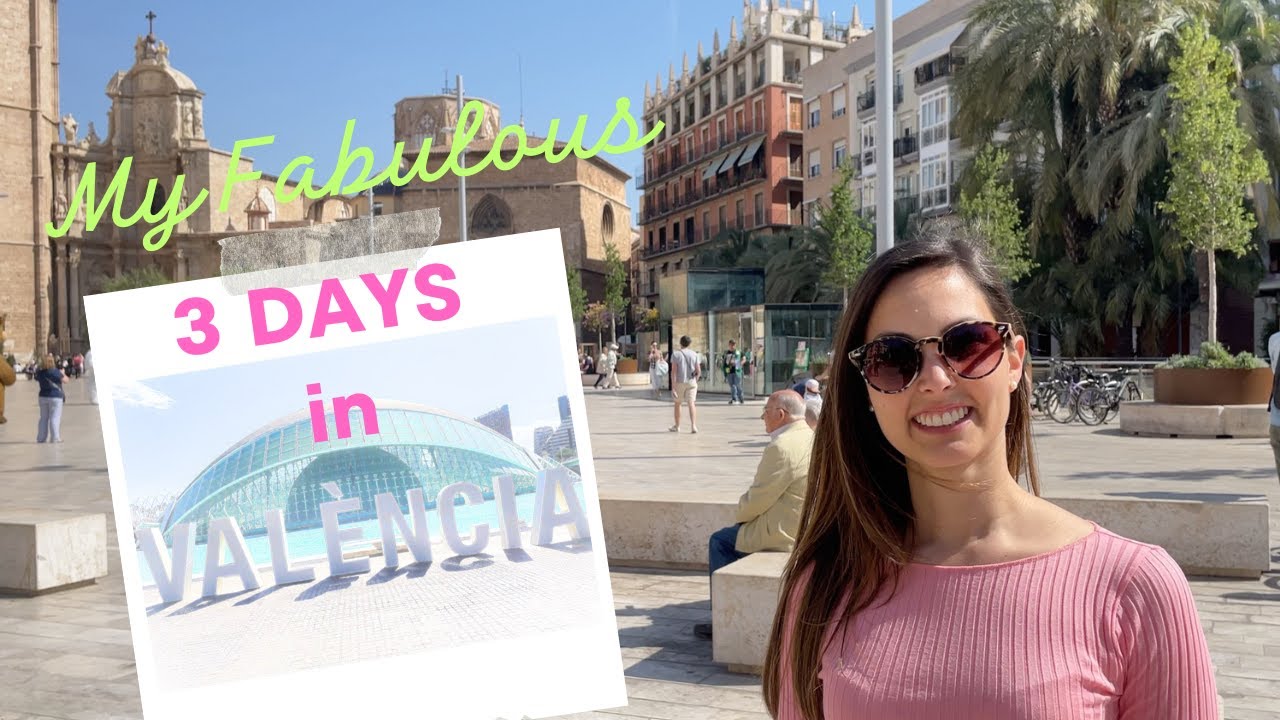
Valencia is three cities that happen to share a name. There is the Gothic old town, there is a nine-kilometre park where a river used to be, and there is a white futurist complex at the end of it that looks like something washed up from another century. You can walk between all three in a day.
The video accompanies my Valencia trip. The restaurant shortlist below draws on Visit Valencia’s recommendations, and the three-day itinerary is a suggested plan. The shortlist is not a review of meals I ate on that trip.
Paella, properly
Paella is Valencian. Not Spanish generally — Valencian, and specifically from the rice fields of the Albufera, just south of the city. Which means that here, unlike almost everywhere else, “paella” has a definition.
Paella valenciana is chicken and rabbit, flat green ferradura beans, the big white garrofó bean, tomato, olive oil, saffron, sometimes snails or a sprig of rosemary. That is it. No chorizo, no seafood mixed in with the meat, no peas, no onion. The seafood version exists and is delicious, but it has its own name — paella de marisco — and mixing the two is the thing that makes Valencians visibly tired.
Three practical rules that matter more than the recipe:
- It is a lunch dish. Traditionally eaten in the middle of the day, often on Sundays. A restaurant advertising paella at 8pm to a terrace of tourists is telling you something about itself.
- It is cooked to order, for the whole table. Expect to wait 30-40 minutes, and expect a minimum of two people. Rice sitting under a heat lamp in a display pan is not the dish.
- The good part is the bottom. The socarrat — the caramelised crust of rice against the pan — is the point. If the pan arrives already served onto plates, you have lost it.
Where to look. Visit Valencia’s paella recommendations include La Pepica and Casa Carmela near the beach. Compare their menus, opening hours and booking conditions before choosing. Another option is El Palmar, inside the Albufera natural park south of the city, where a rice lunch can be combined with a boat trip on the lagoon. This takes a separate block of time from the old town: check current buses on EMT Valencia and arrange the meal and boat departure together.
And for the other Valencian thing you should try: horchata (orxata de xufa), made from tiger nuts, served cold with fartons to dip. It is not almond milk and it is not a smoothie; it is its own thing, and it is everywhere in the old town.
The river that is now a park
In 1957 the Turia flooded and devastated the city. The river was diverted around Valencia, and instead of building a motorway in the empty bed — the original plan — the city turned nine kilometres of it into a linear park.
This is the single most useful thing to know about Valencia as a visitor. The old riverbed runs right through the middle, sunken below street level and crossed by the old bridges, and it connects almost everything you want to see. Rent a bike and the whole city becomes flat, green and traffic-free. It is also why the walk from the old town to the Calatrava complex is a pleasure rather than a slog.
The old town, in the order that works
La Lonja de la Seda, the 15th-century Silk Exchange, is a UNESCO World Heritage site and the best building in the city: a trading hall with spiralling stone columns rising like palm trunks, built to show off the wealth of a merchant republic. It takes twenty minutes and it is the one indoor thing I would not skip.
Mercado Central is directly opposite — one of Europe’s largest modernist market halls, iron and tiled domes and stained glass, still a working food market. The pairing of the two in one square is the whole history of Valencia in one glance.
The Cathedral holds the chapel of the Holy Chalice, a Roman-era agate cup that some traditions identify as the Holy Grail. Whatever you make of that, the climb up El Miguelete, the octagonal bell tower, is 207 steps to the best view of the old town’s rooftops.
Iglesia de San Nicolás is the surprise. A small parish church from the outside; inside, every surface is covered in restored Baroque frescoes, which is why it gets called the Sistine Chapel of Valencia. It was cleaned relatively recently and most visitors have never heard of it.
Around all of this: Plaza de la Virgen, Plaza de la Reina, the Torres de Serranos gate you can climb, and a centre small enough to cross on foot without planning.
The City of Arts and Sciences
At the far end of the Turia park, Santiago Calatrava built a complex of white curved structures that has become the image of modern Valencia: the eye-shaped Hemisfèric cinema, the whale-skeleton Museu de les Ciències, the Umbracle walkway, the Palau de les Arts opera house.
The one worth the ticket is L’Oceanogràfic — the largest aquarium in Europe, laid out as a series of marine environments, with the entrance building designed by Félix Candela rather than Calatrava. Allow three hours; people routinely allow one and rush it. Check current prices and opening times on the official site before you go, and buy ahead in summer.
If you are not going in, it is still worth walking there at the end of the day. The buildings sit in shallow reflecting pools and the whole thing is designed to be seen from the water.
A three-day plan
Day 1 — the old town. La Lonja and Mercado Central in the morning while the market is alive, the Cathedral and El Miguelete, San Nicolás, then horchata and the squares in the evening.
Day 2 — the Albufera. Bus to El Palmar for a proper paella lunch, boat on the lagoon in the late afternoon, back for a slow evening. Do not stack anything else onto this day.
Day 3 — the park and the future. Bike or walk the Turia riverbed from the Serranos towers to the City of Arts and Sciences, L’Oceanogràfic in the middle of the day, and the beach at Malvarrosa afterwards if the weather is with you.
That is three distinct days rather than three variations of the same one, which is what Valencia actually offers and what most itineraries flatten.
When to go
Spring and early autumn are ideal — Valencia is hot and humid in high summer, and the Turia park is the only comfortable place to be in the middle of an August afternoon.
March is a special case: Las Fallas, from the 15th to the 19th, when the city fills with enormous satirical sculptures that are all burned on the final night, accompanied by daily daytime firework displays in the main square. It is extraordinary and it is not a relaxing city break. Book months ahead or avoid it deliberately — there is no middle option.
Related articles
Written by

Sara
Licensed Pharmacist · Travel Creator
Sara brings a pharmacist's eye to health topics and a personal voice to travel, beauty and everyday lifestyle.
About Sara