Venice: San Marco, Frari & Floating Magic
My Venice travel guide through Piazza San Marco, St Mark's Basilica, Doge's Palace, Basilica dei Frari and the tomb of Antonio Canova.
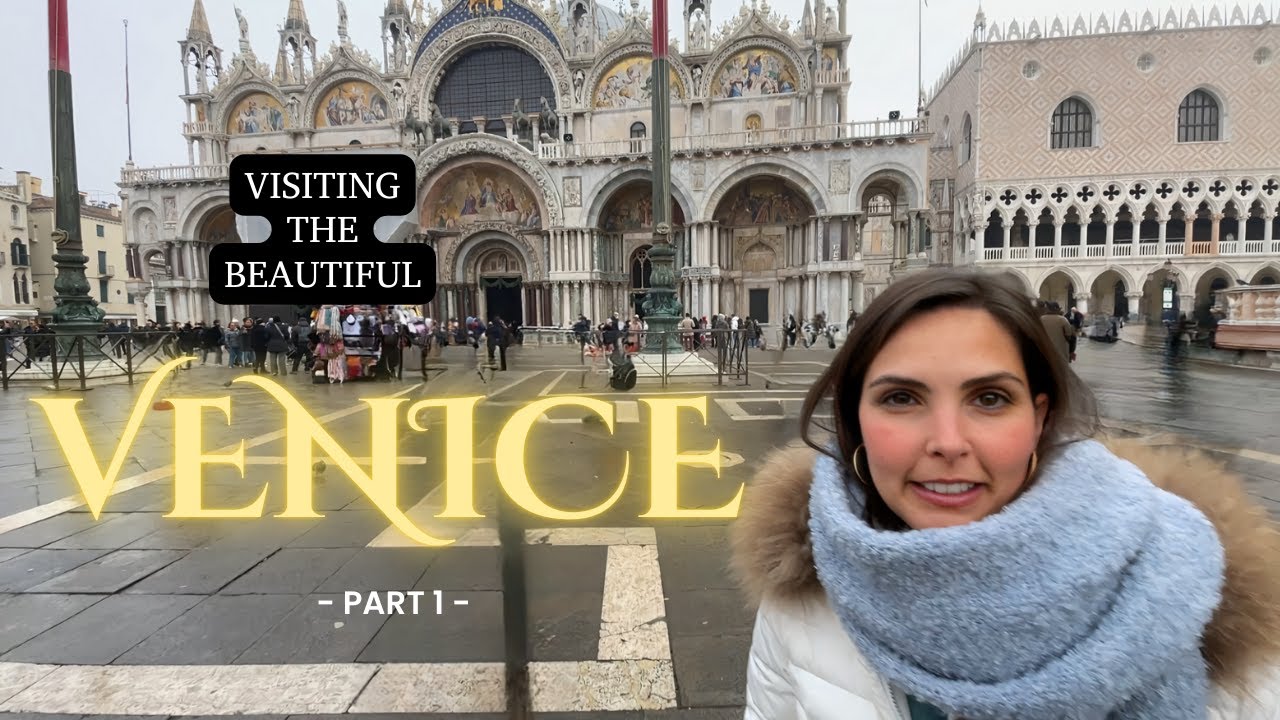
My Venice day stayed focused: Piazza San Marco, St. Mark’s Basilica, Doge’s Palace, Basilica dei Frari and the tomb of Antonio Canova.
That matters because Venice is very easy to turn into a generic postcard. Everyone knows the canals, the bridges and the romantic image, but the city becomes more interesting when you look at power, religion, art and memory together.
This route starts with the most famous political and religious centre of Venice, then moves toward a major church that feels a little less obvious for a first visit. I like that contrast.
Piazza San Marco
Piazza San Marco is the starting point and the heart of the route. It is one of the most famous squares in Italy, and in Venice it feels even more important because the city has no cars, no normal road traffic and a completely different sense of movement.
The square works as an introduction because so much of Venice’s history is concentrated around it: religious power, political authority, ceremonies, tourism, architecture and daily movement all overlap here.
I saw the square at its absolute fullest: I was in Venice for New Year’s Eve, and that night Piazza San Marco was completely packed. Even so, do not rush it. It is crowded for a reason. The important thing is to look beyond the first impression and notice how the basilica, the palace and the square speak to each other.
St. Mark’s Basilica
St. Mark’s Basilica is one of the places that makes Venice feel different from other Italian cities. The golden mosaics and Byzantine architecture immediately show how connected Venice was to the eastern Mediterranean.
Inside and outside, the basilica shows Venice’s connection with the eastern Mediterranean and its history as a maritime power. It is not just another church stop. It is one of the clearest symbols of Venice’s identity.
For me, this is the kind of monument where the decoration is not only beautiful, it explains something. Venice was not isolated. It looked outward, traded, absorbed influences and turned them into its own language.
Doge’s Palace
Just a few steps from the basilica, Doge’s Palace represents the political power of the Serenissima. As the former residence of the Doges and a symbol of Venetian power, it gives the square its other half.
Visiting this area gives you the basic structure of historic Venice: the basilica for sacred and symbolic power, the palace for government and state authority, and the square as the public stage between them.
That is why I think these two stops belong together. If you only see the basilica or only see the palace, you miss the way Venice staged religion, politics and image in the same space.
Beyond the obvious: Basilica dei Frari
Basilica dei Frari moves the route beyond the most famous landmarks. This is important because Venice can feel overcrowded if you only follow the same few postcard stops.
The Frari is a less obvious but very meaningful stop, filled with history and artistic masterpieces. It gives the visit a more thoughtful second layer, away from the constant pressure of San Marco.
I like including a place like this because Venice becomes more human when you move away from the most photographed corners. You still have art and history, but the atmosphere feels different.
Antonio Canova’s tomb
Inside the Frari, the tomb of Antonio Canova is one of the details that makes the stop more concrete. Canova is one of Italy’s great sculptors, and this memorial gives the visit a strong art-historical focus.
It is also a reminder that Venice’s art history is not only in palaces and museums. Churches often hold some of the city’s most meaningful works and memorials.
That is one of the things I love about Italian cities in general: sometimes the most important art is not separated into a museum route. It is inside the places people have used for centuries.
Planning this route
This Venice route can be a full 5 to 7 hour day if you include interiors and walk between San Marco and the Frari without rushing. Start early at Piazza San Marco, especially if you want the square before the main pressure of the day.
The paid stops are worth checking in advance. St. Mark’s Basilica lists standard entrance at €3, with separate tickets for the Pala d’Oro, museum/loggia and bell tower. Doge’s Palace lists the St. Mark’s Square Museums ticket at €35 standard, or €30 online if purchased at least 30 days before the visit. The Frari is usually simpler, but still check opening hours before crossing the city for it.
Do not plan Venice by straight-line distance. Bridges, crowds, water routes and getting pleasantly lost all change timing. I would book San Marco/Doge’s Palace first, then leave the walk toward Frari more flexible.
When to go: early morning and late afternoon are best for atmosphere. Around New Year’s Eve, Carnival, Easter and peak summer, Venice needs more patience than usual.
My main Venice rule is to book the interiors that matter, then let the walking stay imperfect. A wrong turn here can still become part of the day.
How to follow this route
If you are using this as a first Venice route, start with Piazza San Marco, St. Mark’s Basilica and Doge’s Palace, then give yourself time to walk toward Basilica dei Frari rather than jumping immediately to another famous photo spot.
This creates a better order: iconic Venice first, then a quieter art-and-history stop that still belongs deeply to the city.
My practical advice is to avoid treating Venice like a list of bridges. Walk, yes, but choose a few places with meaning. The city is more rewarding when you understand why a square, a church or a palace matters.
For a first day, keep the plan focused. Venice has enough for many visits. You do not need to force every island, museum and viewpoint into one route.
If I repeated the same day, I would still keep it slow. Venice punishes rushing because the beauty is not only at the destination; it is in the way the light changes on the water, the sudden quiet after a busy bridge, and the moment you realise there are no cars interrupting the rhythm of the city. That is why a smaller itinerary can feel richer here.
Related articles
Written by

Sara
Licensed Pharmacist · Travel Creator
Sara brings a pharmacist's eye to health topics and a personal voice to travel, beauty and everyday lifestyle.
About Sara