Rome: The Eternal City
My Rome walking tour through Piazza di Spagna, Via Condotti, Piazza del Popolo, Piazza Navona, Circus Maximus, the Malta keyhole, St Peter's Basilica, Vatican Museums, Capitoline Museums, Santa Maria Maggiore and Trevi Fountain.
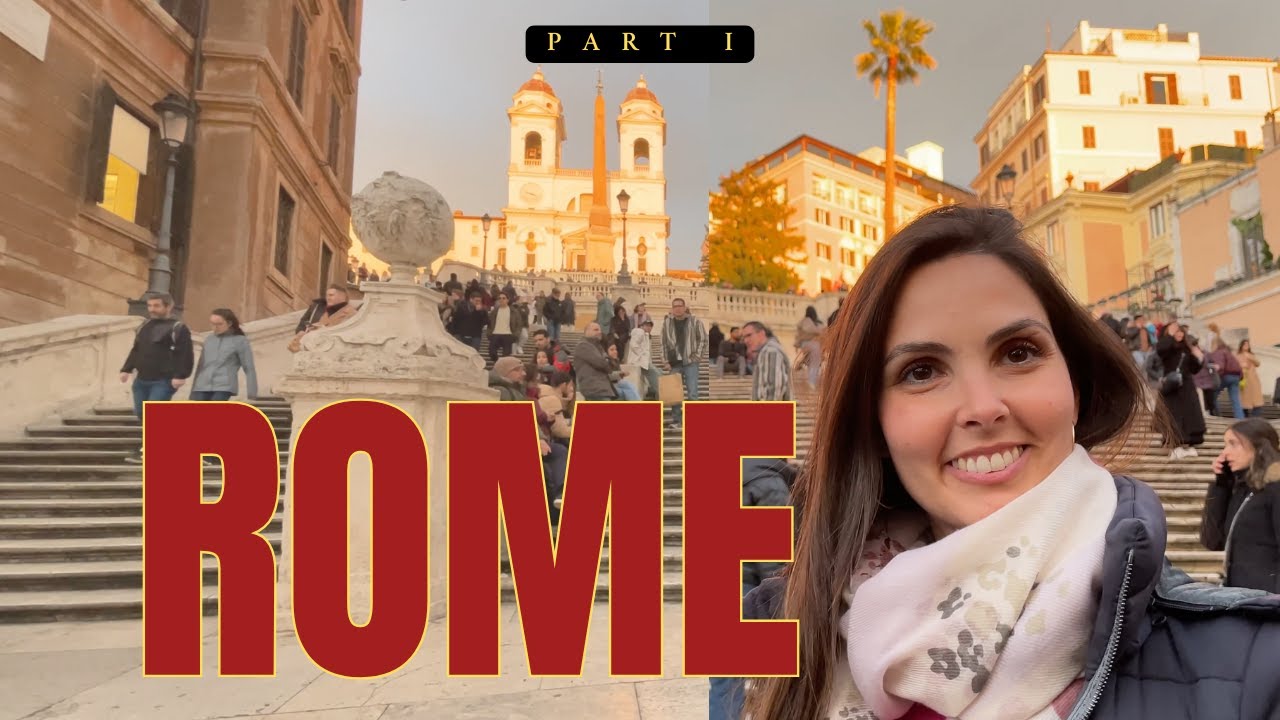
My Rome walking day is not a Colosseum itinerary, and I actually like that. Rome is so often reduced to the same few images that it can be more interesting to follow a walk made of squares, churches, museums, viewpoints and small surprises.
My itinerary includes Piazza di Spagna, Via dei Condotti, Piazza del Popolo, Piazza Navona, Circus Maximus, the keyhole of the Knights of Malta, St. Peter’s Basilica, the Tombs of the Popes, the Vatican Museums, the Capitoline Museums, Santa Maria Maggiore and the Trevi Fountain.
It is a full route, so I would not describe it as effortless. But if you enjoy walking and you want Rome to feel layered rather than reduced to one monument, this kind of itinerary makes sense.
Starting at Piazza di Spagna
The walk begins at Piazza di Spagna and the Spanish Steps, one of the most recognisable places in Rome. It is lively, elegant and very central, which makes it a natural starting point for a walking tour.
From there, the route continues along Via dei Condotti, Rome’s high-fashion street. This gives the beginning of the walk a mix of classic Roman scenery and modern city life before reaching the next major square.
I like starting here because the city feels immediately awake. You get the beauty, the crowds, the shops, the stairs, the movement - all the things that make Rome intense from the first minutes.
Piazza del Popolo
Piazza del Popolo was once a monumental entrance to Rome, and it still feels like a gateway space. It is wide, formal and full of history, but also very much part of the living city.
In a walking route, this stop helps open the itinerary beyond the narrow streets around the Spanish Steps. Rome changes scale quickly, and Piazza del Popolo shows that beautifully.
It is also a good reminder that walking in Rome is not just about distance. Every square changes the pace of the day. One moment you are in a fashion street, then suddenly the city becomes wide and ceremonial.
Piazza Navona and Baroque Rome
Piazza Navona is one of the strongest moments of the route, with Sant’Agnese in Agone and Bernini’s fountains. It is one of those Roman spaces where art, architecture and public life are inseparable.
The fountains are not just decoration. They shape the whole square, and the baroque atmosphere makes Piazza Navona one of the most memorable places to slow down during a walking tour.
This is where I would pause instead of just filming and leaving. Piazza Navona is crowded, yes, but it still has that theatrical Roman quality that makes you understand why people keep returning.
Palaces of power and Circus Maximus
The route then moves through areas connected with political and religious power, before arriving at Circus Maximus. This part gives a sense of Rome as a city where different periods of authority overlap.
Circus Maximus is not as visually complete as some other ancient sites, but its scale matters. Knowing that it was once used for chariot racing helps you imagine a version of Rome that is very different from the streets around it today.
For a first-time visitor, it may not be the most instantly spectacular stop, but it adds space and ancient history to the walk. Rome is not only preserved buildings; sometimes it is also the size of what used to be there.
The keyhole of the Knights of Malta
One of the most poetic stops on the route is the keyhole of the Priory of the Knights of Malta. Looking through it aligns a garden view with the dome of St. Peter’s.
It is a small moment, but that is why it works in this itinerary. Not every memorable Roman stop has to be a huge monument.
I like including places like this because they make the route feel personal. You still see the major landmarks, but you also get a detail that feels a little more hidden and specific.
Vatican and museums
The route includes St. Peter’s Basilica and the Tombs of the Popes, then continues into the Vatican Museums. These are major stops and they require time, especially if you want to experience them properly rather than only pass through.
The Capitoline Museums add another museum layer to the walk, connected to the Campidoglio and the long civic history of Rome.
If you follow this route in real life, be honest with your energy. The Vatican Museums alone can take a lot out of you. Splitting museum-heavy stops across more time is better than rushing through everything and remembering nothing.
Planning this route
For a full version of this Rome day, I would treat it as a 7 to 9 hour route with real breaks, not a casual stroll. Start around 8:00 or 8:30 at Piazza di Spagna, keep the morning for the central squares, then protect a separate timed block for the Vatican Museums or the Capitoline Museums.
The stops that need planning are the paid museums. The Vatican Museums official ticket page lists the full entry at €20, or €25 with the official online “Skip the Line” booking fee. The Capitoline Museums official page lists ordinary admission from €15, with a small online pre-sale fee; exhibitions can change the final price, so check the date before you buy.
St. Peter’s Basilica is usually the unpredictable part because the security line can be long even when entry to the basilica itself is not the main cost. I would not put Vatican Museums, Capitoline Museums and every church on the same tired afternoon unless you are genuinely museum-hungry.
When to go: spring and autumn are easier for walking. In summer, start early, carry water, and keep indoor museum time for the hottest hours. Around Christmas, New Year and major religious dates, expect crowds around St. Peter’s, Trevi and the main squares.
Santa Maria Maggiore and Trevi Fountain
Santa Maria Maggiore brings the route to one of Rome’s papal basilicas, known for its mosaics and spiritual weight. It is a reminder that Rome’s churches are not secondary attractions; many of them contain some of the city’s richest art and history.
The walk ends with the Trevi Fountain, the classic symbol of returning to Rome. It is crowded, yes, but it remains one of the city’s great theatrical moments.
Trevi is one of those places where I accept the crowds because the setting still has power. It is not quiet or intimate, but it is Rome in full dramatic mode.
My practical advice for this kind of walking day is simple: comfortable shoes, water, flexible timing and no obsession with seeing everything perfectly. Rome is too rich for that. The best version of the day is one where you follow the route but still let the city interrupt you.
Related articles
Written by

Sara
Licensed Pharmacist · Travel Creator
Sara brings a pharmacist's eye to health topics and a personal voice to travel, beauty and everyday lifestyle.
About Sara