Florence: Art, Museums & Tuscan Beauty
My Florence travel guide through Palazzo Vecchio, Palazzo Pitti, the Royal Apartments, Museo Galileo, the Duomo, Medici Chapels, Ponte Vecchio, the Uffizi, All'Antico Vinaio and bistecca alla fiorentina.
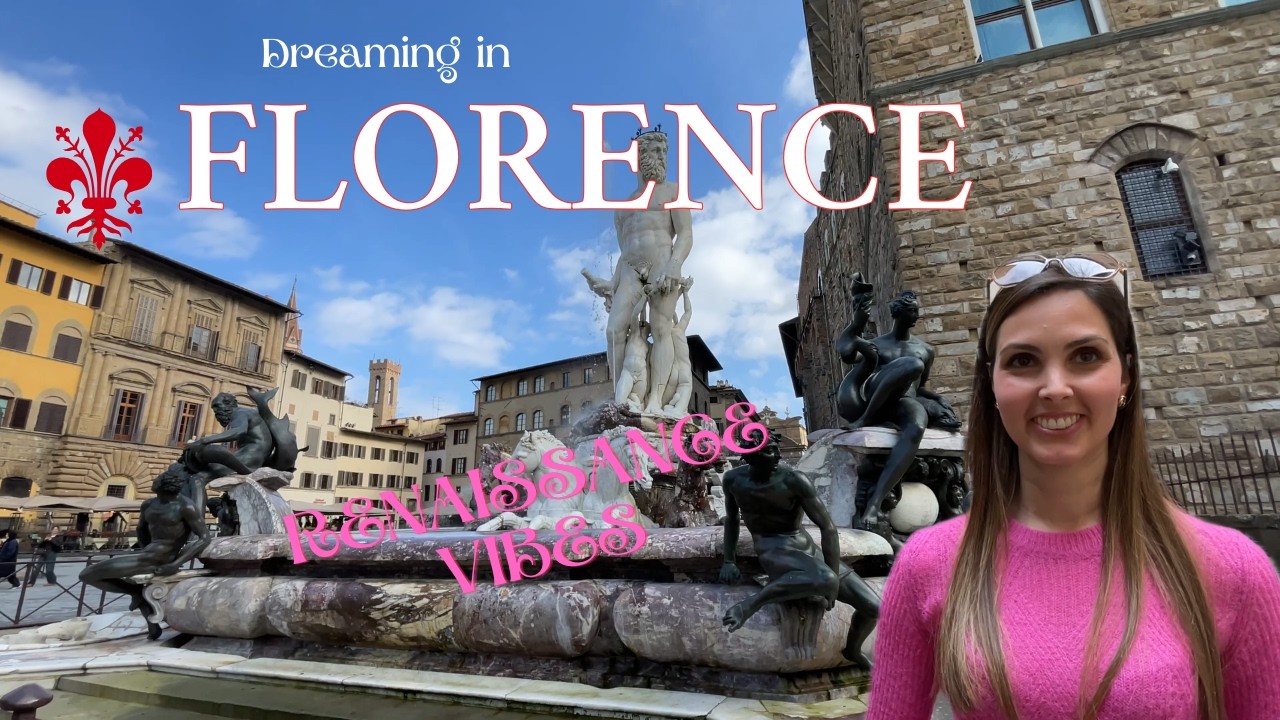
Florence is beautiful, but it can also be overwhelming because everything feels important. Every square, church, museum and view seems to ask for time. That is why I think a Florence itinerary needs pacing, not just ambition.
My cultural itinerary goes through Palazzo Vecchio, Palazzo Pitti and the Royal Apartments, Museo Galileo, the Duomo, Santa Maria del Fiore, the Medici Chapels, Ponte Vecchio, the Uffizi Gallery, All’Antico Vinaio and bistecca alla fiorentina. It is a lot, but it works if you treat Florence as a city to absorb, not a list of famous names to defeat.
Palazzo Vecchio
Palazzo Vecchio gives the trip a civic and political starting point. It is one of Florence’s great symbols and helps show the city as a place of power, public life and history, not only paintings and churches.
In a museum-heavy city, Palazzo Vecchio feels especially connected to the streets around it. You leave the square and the history is still right there.
I like this as a starting point because it places you inside the civic story of Florence. Before the Uffizi, before the food, before the river, you feel the city as a place of decisions, power and public life.
Palazzo Pitti and the Royal Apartments
Palazzo Pitti brings a different scale. The Royal Apartments make this stop about court life, interiors and the grander side of Florence.
This is a useful contrast with the tighter streets near the Duomo. Florence can feel compact, but Pitti reminds you how large and ambitious the city’s ruling world once was.
I would not put Pitti into a day already packed with too many museums unless you really have the energy. It deserves attention, and Florence fatigue is real.
Museo Galileo
Museo Galileo adds something important to the day: Florence is not only Renaissance painting and religious architecture. It is also science, instruments, observation and curiosity.
Including this museum gives the route a more varied cultural identity. It makes the day feel less like one art museum after another and more like a broader look at knowledge in Florence.
For me, this is the kind of stop that makes an itinerary feel more personal. Everyone expects the Uffizi and the Duomo. Adding science and instruments gives the city another voice.
Duomo and Santa Maria del Fiore
The Duomo is the visual centre of Florence. Santa Maria del Fiore, the dome, the facade and the surrounding square are impossible to ignore, but they are still worth seeing slowly.
Even if you do not climb the dome or visit every part of the complex, the Duomo area gives the city its scale. It is one of the places where Florence feels both monumental and very walkable.
This is also one of the areas where I would be patient. It is busy because it deserves to be busy. Give yourself time to look up, move around the square and see how the cathedral changes from different angles.
Medici Chapels, Ponte Vecchio and the Uffizi
The Medici Chapels bring the Medici story into focus, while Ponte Vecchio gives the route one of the city’s most recognisable outdoor views. The Uffizi Gallery is the major art stop, and it deserves time rather than a rushed pass.
Together, these places show Florence as a city of family power, art patronage, river views and museum culture. That is the heart of this route.
If I had to give one practical warning, it would be this: do not underestimate the Uffizi. It is not a place to squeeze into the last tired hour of the day. Book ahead if you can and give it a proper window.
Food moments
Typical Tuscan food also belongs in the route, with All’Antico Vinaio and bistecca alla fiorentina. Those food stops matter because Florence can become very museum-heavy if you forget to build in breaks.
Food gives the day a more human pace: a sandwich, a traditional meal, a pause between museums, and a reminder that travel is not only about looking at things.
I like adding food moments to a cultural trip because they make the day feel lived, not just studied. Florence is art, yes, but it is also lunch, walking, waiting, choosing where to stop and enjoying something simple between masterpieces.
Planning this route
For this Florence route, I would split the heavy museum stops over 2 days if possible. A compressed version can be 7 to 8 hours, but the better version gives Palazzo Vecchio, the Duomo area, Ponte Vecchio and food one day, then Uffizi and Pitti another day.
The Uffizi is the main booking priority. The Uffizi Galleries official ticket page lists the Uffizi single ticket at €25 on the day or €29 when purchased in advance, while Palazzo Pitti is listed at €16 on the day or €19 in advance. The 5-day PassePartout can make sense if you want Uffizi, Pitti and Boboli together, but check the official page because exhibitions and offers change.
I would not put Uffizi, Pitti, Palazzo Vecchio and Museo Galileo into one day unless you already know you enjoy long museum days. Florence fatigue is real. A sandwich stop at All’Antico Vinaio or a proper dinner with bistecca alla fiorentina is not wasted time; it keeps the trip human.
When to go: weekdays outside school holidays are easier. Summer is hot and crowded, so book timed museums and use the middle of the day indoors. Winter is calmer, but opening hours and restoration work can change the plan.
How to approach this route
If you want to follow a similar Florence itinerary, book major museums ahead and avoid putting all the heaviest stops in one day. The Uffizi, Pitti and Palazzo Vecchio can each take real energy.
A better plan is to choose two major cultural stops per day, then add walking, food and outdoor places such as Ponte Vecchio and the Duomo area around them.
If you only have a short stay, choose quality over quantity. Florence is one of those cities where seeing fewer places with attention gives you more than rushing through every famous name.
I would rather leave Florence with one museum remembered clearly than five rooms blurred together. The city has so much beauty that restraint becomes part of the planning. You need space to actually feel what you are seeing.
Related articles
Written by

Sara
Licensed Pharmacist · Travel Creator
Sara brings a pharmacist's eye to health topics and a personal voice to travel, beauty and everyday lifestyle.
About Sara