Two ASMR Sessions for Sleep, and What ASMR Actually Does
A whispered cosmetics session and a whispered spectrometric analysis — what each one feels like, what the research on ASMR actually shows, and where a wind-down tool stops being enough.
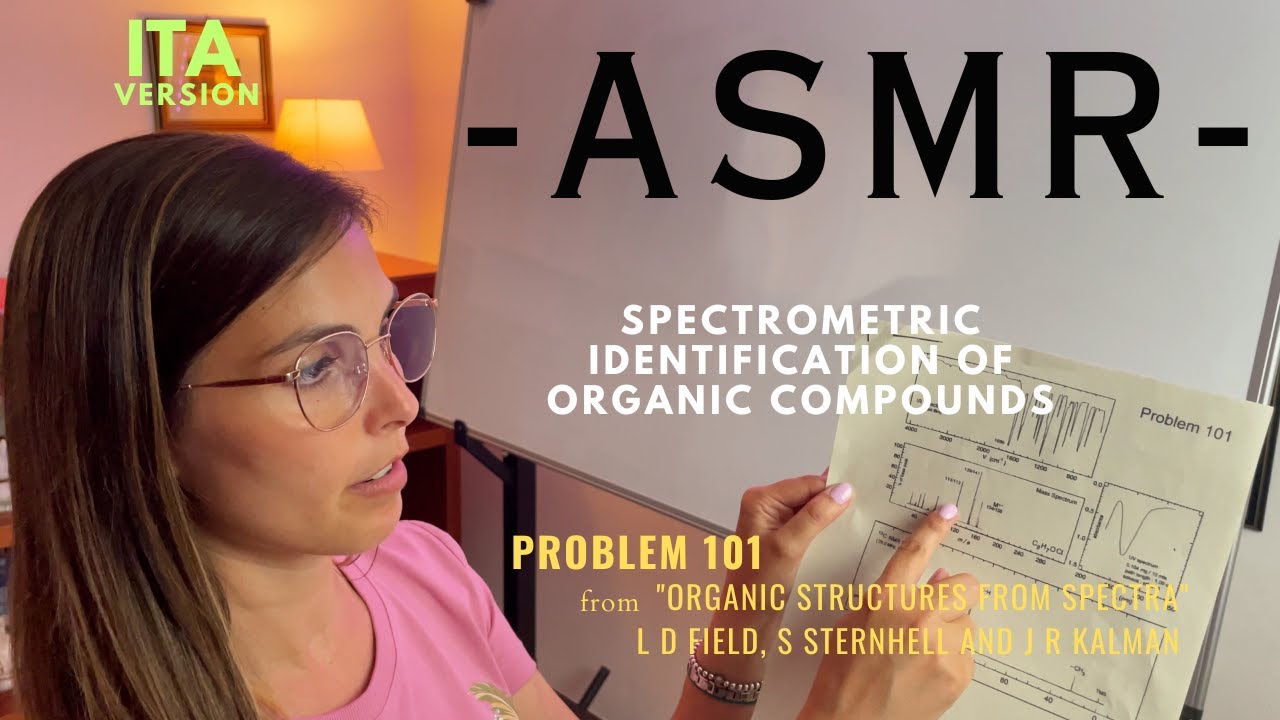
I record two quite different kinds of ASMR, and people tend to have a strong preference between them. One is beauty: packaging, brushes, slow hands, the sounds of a routine done quietly. The other is a whispered walk through a spectrometric analysis — technical, steady, and, to a lot of listeners, unexpectedly good for sleep.
This page has both, plus the part I think is usually missing from ASMR posts: what the research actually says, and the point at which a sleep problem stops being something a video can help with.
The two sessions, and which one suits which night
The cosmetics session is tactile and familiar. The triggers are the small, predictable ones that beauty products produce almost by accident: a nail against a glass jar, the click of a compact, a cap turning, a powder brush, the pause between one product and the next. There is a personal-attention quality to it — the feeling of someone quietly taking care of you — that many listeners find calming in a way that is hard to describe. It works when your body is tired and you want something sensory and undemanding.
The spectrometric analysis session does the opposite job. Instead of sound and texture, it gives your mind a thread of words to follow: a soft, even explanation of a technical process, slowed right down. It works on the nights when the problem is not tiredness but overthinking — when a racing head needs something gentle to hold instead of the day’s to-do list. Coming from a science background, I find this material quietly absorbing, and I think that comes through: it is not a script being performed.
Neither session has a build-up, a punchline or a point where anything gets louder. That is deliberate: an even level from start to finish means nothing pulls you back awake once you have started to drift.
| If tonight feels like… | The session I would choose | Why |
|---|---|---|
| Body tired, mind quiet | Cosmetics | Sensory and familiar; nothing to follow. |
| Mind racing, replaying the day | Spectrometric analysis | A steady thread of words gives overthinking something to do. |
| Woken at 3am | Either, volume lower still | Do not restart the evening; keep the screen dark. |
| Frustrated and angry at not sleeping | Neither yet | Start earlier next time — see below. |
What ASMR actually is, and what research shows
ASMR — autonomous sensory meridian response — is the calm, sometimes tingly sensation across the scalp and neck that some people get from gentle triggers: whispering, soft speech, slow careful movements, close personal attention. Plenty of people never feel a tingle and still find the videos deeply relaxing. Both responses are normal.
Two studies are worth knowing about, because they are the reason ASMR stopped being dismissed as an internet curiosity:
- Barratt and Davis (2015, PeerJ) surveyed several hundred people who experience ASMR. The most commonly reported triggers were whispering, personal attention, crisp sounds and slow deliberate movements — and a large share of respondents said they used ASMR specifically to help them get to sleep.
- Poerio and colleagues (2018, PLOS ONE) measured physiology rather than self-report. People who experience ASMR showed a significant reduction in heart rate while watching ASMR videos, alongside increased skin conductance — a pattern consistent with calm and emotional arousal at the same time, which matches how listeners describe it.
That is genuinely interesting, and it is also the ceiling of the evidence. These are small studies of a relaxation response. ASMR is a wind-down aid, in the same category as a warm bath or a quiet playlist — not a treatment.
Setting it up so it works
- Headphones. Both sessions are recorded softly and gently directionally; a phone speaker loses most of it.
- Low volume. Present enough to follow, quiet enough that nothing makes you flinch.
- Screen dark or face-down. The audio is doing the work, and bright light at night works against the melatonin your body is producing.
- Start before you are desperate. This is the one that changes results most. If you wait until you are frustrated that you are not sleeping, everything feels harder. Put it on while you are still winding down.
- Let your attention drift. If you lose the thread mid-sentence, that is the point, not a failure.
Where a video stops being the answer
I make these to help with the ordinary version of a busy evening. But as a pharmacist, I would rather say the other half out loud.
If difficulty falling or staying asleep happens on most nights for three months or more, and it is affecting your days, that is chronic insomnia — and the first-line treatment recommended by European and international sleep guidelines is not a supplement or a video. It is cognitive behavioural therapy for insomnia (CBT-I), which works on the behaviours and thoughts that keep the cycle going, and holds its effect better over time than medication.
A few things I would flag from the counter:
- Over-the-counter sleep products, including antihistamine-based ones, are for occasional use. They cause next-day drowsiness in many people and are a poor answer to a months-long problem.
- Melatonin is not a general sedative; the situations where it genuinely helps are narrower than the shelf suggests, and dose and timing matter.
- Snoring with witnessed pauses in breathing, waking unrefreshed despite enough hours, or falling asleep during the day deserve medical assessment rather than a better bedtime routine.
- Sleep problems alongside persistent low mood, anxiety, pain or a new medicine are worth raising with a doctor or pharmacist — sometimes the sleep is the symptom, not the problem.
None of that makes the videos less useful. It just puts them where they belong: the last soft input of an evening, for the version of you that wants to be quiet for a while.
Sources and further reading
Related articles
Written by

Sara
Licensed Pharmacist · Travel Creator
Sara brings a pharmacist's eye to health topics and a personal voice to travel, beauty and everyday lifestyle.
About Sara