Soft Everyday Makeup: The Prep and the Look
A guide to preparing skin and applying a soft everyday makeup look, with two routine videos, sunscreen advice and a simple way to troubleshoot pilling.
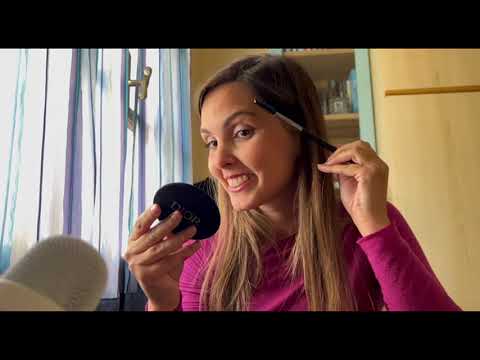
When makeup looks patchy by lunchtime, it can help to look at both the base and the skincare underneath it. Product amount, application and the condition of your skin can all affect the finish.
The two videos below show the preparation and the makeup look. The written guide explains an order to try and ways to adjust it; wear time and finish depend on your skin and the particular formulas you use.
Part one: the prep
Cleanse gently, and stop there
A mild cleanser and lukewarm water are a simple starting point. If cleansing leaves your skin tight, stinging or uncomfortable, consider a gentler product rather than covering the irritation with more makeup.
Keep prescribed treatments on the schedule advised by your clinician and follow each product’s directions. If an exfoliant or other active is irritating your skin, adding more layers will not fix the irritation.
Hydrate while the skin is still damp
A moisturiser applied to slightly damp skin can help retain moisture. A separate hydrating serum is optional: if your moisturiser is comfortable on its own, there is no need to add another layer. Follow any different directions on a treatment product.
Eyes and lips before base, not after
If you use an eye-area moisturiser, apply a small amount gently and let it settle before concealer. Eye cream is optional and cannot guarantee that concealer will not crease. Lip balm can go on during prep; blot excess before applying colour if it feels slippery.
Moisturiser, then actually wait
Choose a moisturiser that feels comfortable on your skin, then let it settle before adding the next layer. A few minutes can be a useful pause, but there is no universal waiting time that works for every formula. Follow the directions on your sunscreen before applying makeup.
If the base keeps moving or rolling up, change one optional skincare step at a time on a later application. That makes it easier to identify which combination is causing trouble.
Sunscreen, every morning
For exposed skin when outdoors, use a broad-spectrum, water-resistant sunscreen with SPF 30 or higher. Apply it as directed before makeup, and reapply as directed during the day, including after swimming or sweating. Makeup does not remove the need for shade and other sun protection.
Two things worth knowing, from the pharmacy side:
- Do not rely on a light layer of SPF makeup for your sun protection. The protection stated on a label depends on applying the product in the tested amount. A thin or uneven layer of foundation may provide less protection than the label suggests.
- Troubleshoot pilling one step at a time. Try fewer optional layers, let products settle, and press makeup on gently. Ingredient labels alone do not prove that two finished formulas will work together. Keep the recommended sunscreen amount; simplify the optional skincare or change the makeup combination instead of using less protection.
What prep actually gives you
The aim is comfortable skin and a surface on which makeup can sit evenly. Start with the fewest steps that work for you, and allow enough time for the products to settle.
Part two: the soft look
Soft everyday makeup is harder than a dramatic look, because there is nowhere to hide. It has to read as skin.
Less base than you think
The lightest thing that does the job — a skin tint or tinted moisturiser rather than full-coverage foundation — applied with damp fingers or a damp sponge, pressed rather than wiped. The goal is to even out tone, not erase it; freckles showing through is the look. Build only in the centre of the face, where most people need it, and leave the outer cheeks alone.
Conceal precisely
A small amount, only where there is something to cover: a little triangle under the eye, and any spots. Tap it in with a fingertip until the edges disappear, and set only that under-eye area with a very small amount of powder. Concealer across the whole under-eye is what turns “natural” into “tired” by mid-afternoon.
One thin layer, then look at your face in natural light, then add only where it is needed. Fixing one small mark by covering the entire face is the most common way a soft look goes flat.
Cream over powder
This is the heart of it. Cream blush pressed onto the apples gives a flush that looks like it comes from under the skin; a creamy bronzer or soft taupe around the perimeter adds warmth without a contour line. Cream textures move with the face and catch light the way skin does — powder sits flat by comparison. Apply with fingers, in thin layers. Adding is easy; taking it back is not.
Brows and lashes, kept natural
Brush brows up with a clear or tinted gel and fill only the sparse parts with light hair-like strokes. Fluffy and slightly imperfect suits this far better than sharp. Then one coat of mascara, mostly on the top lashes, wiggled in at the root — a second coat starts to read as “eye makeup”. For a little more definition, keep it at the lash line: a soft brown pencil or neutral shadow pressed into the roots.
Lips, and the one thing that ties it together
A tinted balm or a creamy “my lips but better” shade, blotted so it looks lived-in. Keep cheeks and lips in the same warm family and the face looks coordinated with no extra effort.
If a soft look ever falls flat, it is almost always missing a point of glow: a small amount of cream highlighter on the tops of the cheekbones and the inner corners. Sparingly, it reads as healthy skin rather than shimmer.
Check the finish before adding more
Look at the finish in daylight after each thin layer. If it gathers around a dry patch, pause rather than covering the whole face again. Cream and powder products can both work; the better choice depends on the formula, your skin and the finish you prefer. This routine does not establish an all-day wear claim for any product.
For anyone using acne treatments or retinoids alongside this, the same rule from my acne article applies: more products do not mean better skin, and irritated skin is harder to wear makeup on, not easier. Daily SPF sits inside the wider picture in my sun protection guide.
Sources for the skincare advice
Related articles
Written by

Sara
Licensed Pharmacist · Travel Creator
Sara brings a pharmacist's eye to health topics and a personal voice to travel, beauty and everyday lifestyle.
About Sara